Pregnancy Health: Identifying Common Infections Early
1 day ago
5 minute read.

Introduction: Why Infection Awareness Matters During Pregnancy?
Pregnancy is a time filled with excitement, anticipation, and important changes in the body. As a new life begins to grow, the mother’s body adapts in remarkable ways to support and protect the developing baby. However, these changes can also make the body more vulnerable to certain infections. While many infections are mild and manageable, some can pose risks if they are not identified and treated early.
The good news is that awareness and early detection can make a significant difference. When pregnant individuals understand the warning signs and seek timely care, most infections can be treated effectively without harming the pregnancy.
This guide will help you understand the most common infections during pregnancy, their symptoms, potential risks, and the importance of early intervention.
Also Read: How To Deal With Post-Pregnancy Body Image Struggles?
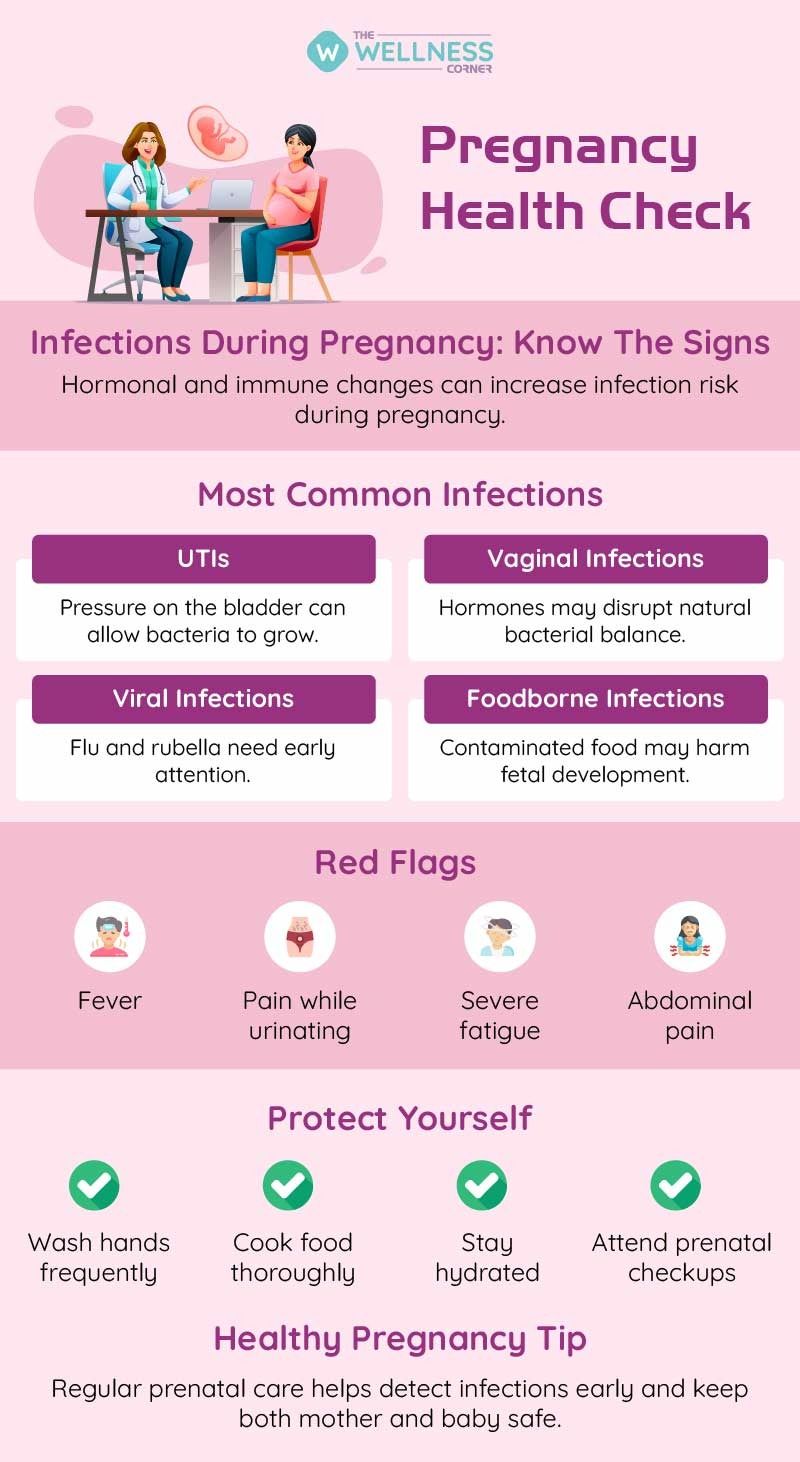
Why Pregnancy Can Increase The Risk Of Infections?
During pregnancy, the immune system adjusts to protect both the mother and the developing baby. This adjustment is necessary so the body does not reject the fetus. However, it also means the immune response may be slightly reduced, making it easier for certain infections to develop.
Hormonal changes can also affect the urinary tract, digestive system, and reproductive organs. These changes sometimes create environments where bacteria or viruses can grow more easily.
Because of these factors, regular health monitoring during pregnancy is essential. Early detection helps prevent minor infections from becoming serious complications.

Urinary Tract Infections: One Of The Most Common Concerns
Urinary tract infections, commonly known as UTIs, are among the most frequent infections during pregnancy. As the uterus grows, it can put pressure on the bladder and urinary tract. This pressure may slow urine flow and allow bacteria to multiply.
Also Read: Urinary Tract Infections
Common Symptoms Include
- Burning sensation while urinating
- Frequent urge to urinate
- Lower abdominal discomfort
- Cloudy or strong-smelling urine
If untreated, UTIs can lead to kidney infections, which may increase the risk of preterm labor. Fortunately, routine urine tests during prenatal visits help detect
UTIs early, often even before symptoms appear.

Vaginal Infections: Changes In The Body’s Natural Balance
Hormonal changes during pregnancy can disrupt the natural balance of bacteria and yeast in the vagina. This may lead to infections such as yeast infections or bacterial vaginosis.
Symptoms May Include
- Itching or irritation
- Unusual vaginal discharge
- A strong or unpleasant odor
- Discomfort during urination
While these infections are common and usually treatable, ignoring them can increase the risk of complications such as premature birth or low birth weight in certain cases.
Avoid taking medications on your own during pregnancy without medical guidance. Consult a qualified medical professional before trying any form of treatment.
Viral Infections That Require Extra Attention
Certain viral infections can have a more serious impact during pregnancy. These infections may sometimes pass from mother to baby, which is why screening and awareness are essential.
Some Important Viral Infections Include
Rubella (German measles)
Rubella infection during early pregnancy can affect the baby's development. Getting vaccinated before pregnancy offers the strongest protection.
Cytomegalovirus (CMV)
CMV is common but often goes unnoticed. However, if transmitted to the baby, it may cause developmental concerns.
Influenza (Flu)
Pregnant women are more likely to experience severe symptoms from the flu. Vaccination and early treatment can reduce risks.
Maintaining good hygiene and avoiding exposure to illness can significantly reduce the chances of contracting these infections.
Also Read: 5 Myths You Should Know About Hygiene

Foodborne Infections: Hidden Risks In Everyday Meals
Some infections during pregnancy come from contaminated food. These bacteria may be harmless to most adults, but can be dangerous for a developing fetus.
Two Common Foodborne Infections Include
Listeriosis
This infection is caused by the bacteria Listeria, which may be present in unpasteurized dairy products, deli meats, and undercooked foods.
Toxoplasmosis
Toxoplasmosis can be contracted from raw meat or contaminated soil. It can also spread through contact with cat litter.
Prevention Tips Include
- Avoid unpasteurized milk and cheeses
- Cook meat thoroughly
- Wash fruits and vegetables carefully
- Practice good kitchen hygiene
Simple food safety habits can greatly reduce the risk of these infections.
Warning Signs That Should Never Be Ignored
Many infections during pregnancy start with mild symptoms. Noticing symptoms early can make it easier to avoid serious complications.
Contact Your Healthcare Provider If You Experience
- Fever or chills
- Persistent fatigue or weakness
- Pain while urinating
- Unusual vaginal discharge
- Severe abdominal pain
- Sudden swelling or headaches
Even if symptoms appear minor, it is always better to check with a medical professional.
The Role Of Regular Prenatal Checkups
Prenatal visits play a critical role in identifying infections early. Healthcare providers routinely screen for various infections through blood tests, urine tests, and physical examinations.
These checkups help detect issues even before symptoms appear. Early diagnosis allows doctors to provide safe treatments that protect both mother and baby.
Prenatal care involves much more than simply tracking the baby’s development. It also ensures the mother's overall health remains strong throughout pregnancy.

Simple Habits That Help Prevent Infections
While not all infections can be avoided, many risks can be reduced through daily habits.
Healthy Practices Include
- Washing hands regularly
- Avoiding contact with sick individuals
- Maintaining proper food hygiene
- Drinking enough water
- Getting recommended vaccinations
- Attending all prenatal appointments
Also Read: Hand Sanitizer VS Handwashing
These small actions contribute to a healthier pregnancy and reduce unnecessary risks.
Emotional Wellbeing Matters Too
Health during pregnancy is not only physical. Worrying about potential infections can cause stress or anxiety for many expectant parents. Access to reliable information and professional guidance helps create peace of mind.
Remember that most infections, when detected early, are manageable. With proper care and support, the majority of pregnancies progress safely and smoothly.

A Smarter Way To Support Pregnancy Health
Navigating pregnancy comes with many questions, and having access to reliable guidance can make the journey easier and more reassuring.
Platforms like The Wellness Corner offer valuable tools that help individuals stay informed and proactive about their health.
Through The Wellness Corner, users can:
- Consult with qualified doctors and nutrition specialists.
- Track health symptoms and wellness goals
- Access reliable pregnancy health resources
- Receive personalized lifestyle guidance
- Build healthier daily habits for both mother and baby
Whether you are planning for pregnancy or already expecting, having expert support can make a meaningful difference in maintaining both physical and emotional well-being.
Frequently Asked Questions (FAQs)
1. Are infections during pregnancy common?
Yes, some infections, such as urinary tract infections or yeast infections, are relatively common during pregnancy. Most can be treated safely when detected early.
2. Can infections harm the baby?
Certain infections may affect the baby if they are severe or left untreated. Regular prenatal care helps identify and manage these risks early.
3. How can I reduce my risk of infections during pregnancy?
Practicing good hygiene, eating well cooked food, staying hydrated, and attending prenatal checkups can significantly reduce infection risks.
4. Should I take medication for infections during pregnancy?
Only take medications that are prescribed by your healthcare provider. Many treatments are safe during pregnancy, but self-medication should always be avoided.
5. When should I contact a doctor?
You should seek medical advice if you experience fever, pain while urinating, unusual discharge, or any symptoms that feel unusual during pregnancy.
Leave a Comment

Sign-Up Now & Unlock
₹100 Cashback
Recently Published
Related Articles


Health Checks @ Home
Service
Explore



Follow us on:


© 2026 Truworth Health Technologies Pvt. Ltd.