What Happens When You Chew Cardamom After Meals?
8 days ago
6 minute read.
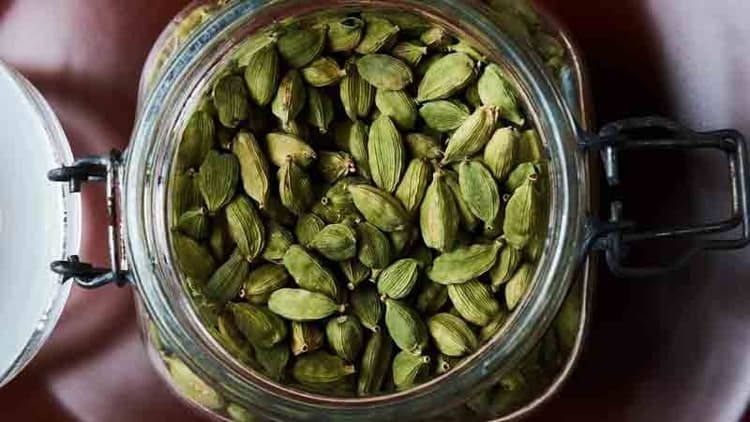
The tiny green pod with surprising digestive and detox powers
The Little Seed With Big Benefits
If you’ve ever been offered a small green pod after an Indian meal, you’ve already met cardamom - a spice so aromatic and refreshing that it instantly cleanses your palate. But beyond its sweet, floral flavor, this humble pod is a powerhouse of health benefits.
For centuries, cardamom has held a special place in Ayurvedic traditions and home remedies. It’s used not only to enhance food flavor but also to support digestion, freshen breath, and balance the body after a heavy meal. Modern nutritionists now agree that this ancient practice isn’t just cultural, it’s scientifically smart.
So what really happens when you chew cardamom after a meal? Let’s uncover the science and wisdom behind this aromatic habit.
Also Read: Ayurvedic Tricks To Reduce Body Heat Through Diet
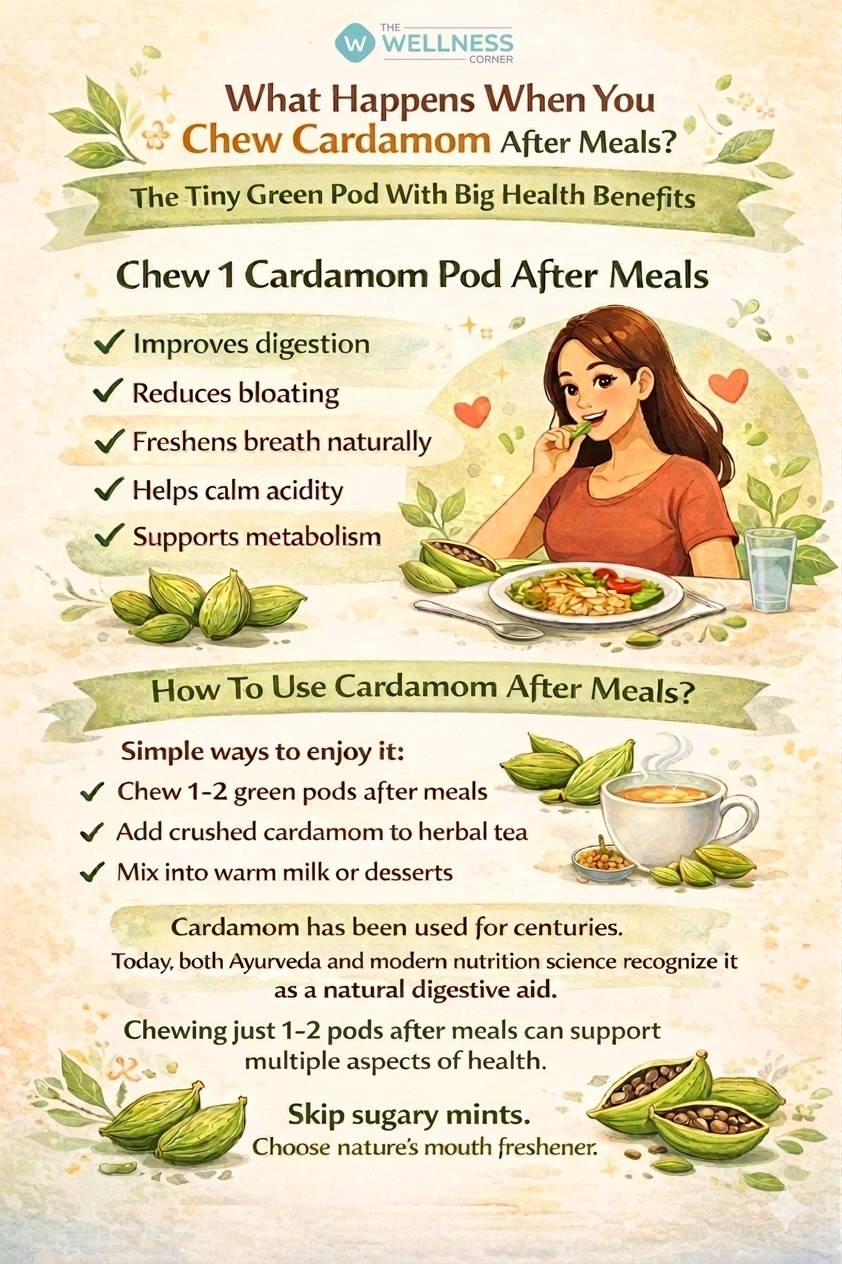
1. It Helps Your Digestion Work Smoothly
One of the biggest reasons people chew cardamom after eating is for better digestion. Cardamom contains natural compounds that stimulate the secretion of digestive enzymes. This helps your stomach break down food more efficiently, reducing bloating and discomfort.
The spice also has carminative properties, which means it helps prevent gas formation in the intestines. If you’ve ever felt heavy or sluggish after a large meal, cardamom can help settle your stomach quickly.
Chewing one or two pods after eating activates saliva production, which kickstarts the digestive process right from your mouth, making it easier for your body to handle complex meals, especially those rich in fats and proteins.

2. It Freshens Your Breath Naturally
Forget chemical-laden mints. Cardamom is nature’s very own breath freshener. Its essential oils, especially cineole, have antimicrobial properties that help fight bacteria in the mouth, which is the root cause of bad breath.
That’s why in many cultures, restaurants serve cardamom or fennel seeds at the end of a meal. They not only leave your mouth feeling refreshed but also promote oral hygiene.
If you tend to get dry mouth or morning breath, chewing a cardamom pod after meals or before bed can be a simple and effective fix. It’s a far healthier choice than sugary gum or artificial mouth fresheners.
Also Read: Bad Breath: How To Deal With It?
3. It Balances Acidity And Soothes The Stomach
If you’re prone to acid reflux or heartburn, cardamom can be your post-meal ally. Its alkaline nature helps neutralize stomach acid and protect your gut lining. The spice also helps relax the esophageal sphincter, preventing the burning sensation caused by acid traveling upward.
In Ayurveda, cardamom is considered a tridoshic spice, meaning it balances all three body types (vata, pitta, and kapha). This makes it gentle enough for everyone to consume, even those with sensitive digestion.
A warm cup of cardamom-infused water or tea after dinner is known to reduce acidity, calm the stomach, and promote restful sleep.

4. It Supports Detoxification And Liver Health
Cardamom acts like a mini-detox for your system. It contains antioxidants such as limonene and terpinene, which help flush toxins from the body and support healthy liver function.
These compounds assist your liver in metabolizing fats more effectively, preventing fat buildup and promoting a cleaner, healthier digestive tract. Over time, this can lead to better skin clarity, improved metabolism, and more energy.
Regularly chewing cardamom or adding it to your diet may also help manage cholesterol levels and support weight balance, small habits that lead to long-term health gains.
Also Read: Antioxidants Keep Diseases Away
5. It Helps Regulate Blood Sugar Levels
Here’s something many people don’t know, cardamom can play a role in maintaining stable blood sugar levels. Studies suggest that the antioxidants and polyphenols in cardamom help improve insulin sensitivity and glucose metabolism.
Chewing a pod after meals may prevent sudden spikes in blood sugar, especially after eating carb-heavy dishes. This makes it a smart choice for people with diabetes or those trying to manage post-meal fatigue.
Combined with a balanced diet and regular exercise, cardamom can be a simple way to support metabolic health naturally.

6. It Boosts Oral And Gut Microbiome Health
A healthy gut and mouth are closely connected, and cardamom benefits both. The spice’s antibacterial properties help reduce harmful bacteria in the mouth, while its fiber and essential oils support a healthy gut microbiome.
A balanced gut microbiome not only improves digestion but also boosts immunity, mental clarity, and even mood regulation. Think of cardamom as a natural probiotic booster, keeping the good bacteria thriving and harmful ones in check.
Also Read: The Human Microbiome
7. It Can Calm The Mind And Reduce Stress
Cardamom’s soothing aroma isn’t just pleasant; it has a calming effect on the nervous system. Aromatherapy practitioners often use cardamom oil for its anti-anxiety properties.
Chewing cardamom after a meal helps release its fragrant oils, which can lower stress levels and promote relaxation. It’s one reason that many herbal teas designed for stress relief include this aromatic spice.
Ending your meal with cardamom is more than just a digestive habit; it’s a small ritual that encourages mindful eating and calmness.

8. It May Help With Weight Management
When you chew cardamom, the essential oils not only aid digestion but can also slightly boost your metabolism. Some studies have found that cardamom helps burn fat more efficiently by enhancing thermogenesis (your body’s natural calorie-burning process).
Plus, since it improves digestion and reduces bloating, you feel lighter and more comfortable after meals, which may help reduce the temptation for unhealthy snacking. Its flavor/taste also reduces cravings for sugary foods
For those on a weight management journey, cardamom can be a gentle, natural addition to a clean eating plan.
Also Read - Metabolism: Time Required To See Noticeable Changes??
How To Use Cardamom After Meals?
To get the most out of this aromatic spice, follow these simple tips:
- Chew one or two whole green pods after meals. Gently crack them open and chew the seeds inside.
- Make cardamom tea: Crush a few pods, boil them in water for 5-7 minutes, and sip slowly after eating.
- Add to home-based desserts and sweets: Cardamom pairs beautifully with warm milk, honey, or cinnamon for a relaxing post-meal drink.
Avoid overconsumption, one or two pods a day are more than enough.
Final Thoughts: A Tiny Pod With Transformative Power
Cardamom might look small, but its benefits are big. From soothing your stomach to freshening your breath and calming your mind, it’s a multi-functional spice your body loves.
Incorporating this simple habit into your daily routine is an effortless way to support digestion, detoxification, and overall well-being. Nature truly has a way of packaging wisdom in the smallest forms, and cardamom is proof of that.
So the next time you finish a meal, skip the sugary mint and reach for a pod of cardamom instead. Your gut, your breath, and your body will thank you.
Elevate Your Daily Wellness With The Wellness Corner
Want to learn more about how everyday habits impact your digestion, metabolism, and energy? The Wellness Corner App connects you with expert nutritionists, personalized diet plans, and real-time wellness tracking, all designed to help you build healthier routines, one small change at a time.
Discover how to make food work for your body, not against it.
Visit The Wellness Corner today and start your journey to better health, naturally.
Frequently Asked Questions (FAQs)
1. How many cardamom pods should you chew after a meal?
Chewing one or two green cardamom pods after meals is usually enough to enjoy its digestive and breath-freshening benefits.
2. Can cardamom help with bad breath?
Yes. Cardamom contains natural antimicrobial compounds that help reduce odor-causing bacteria in the mouth, making it an effective natural breath freshener.
3. Is it safe to chew cardamom every day?
For most people, consuming a small amount daily is safe. However, moderation is important, as excessive intake may cause digestive discomfort for some individuals.
4. Can cardamom help reduce acidity after meals?
Cardamom’s natural properties may help soothe the stomach and support balanced digestion, which can reduce feelings of acidity or heaviness after eating.
5. Should you chew the whole pod or just the seeds?
You can gently crush the pod and chew the tiny seeds inside, as they contain most of the flavor and beneficial compounds.
Leave a Comment

Sign-Up Now & Unlock
₹100 Cashback
Recently Published
Related Articles



Health Checks @ Home
Service
Explore



Follow us on:


© 2026 Truworth Health Technologies Pvt. Ltd.