6 Simple Diet Tips To Protect Your Kidneys If You Have Diabetes
2 days ago
5 minute read.

If you are living with diabetes, you are probably already mindful of your blood sugar levels. You check what you eat, monitor portions, and try to stay consistent with your routine.
But there is another part of your health that deserves equal attention.
Your kidneys.
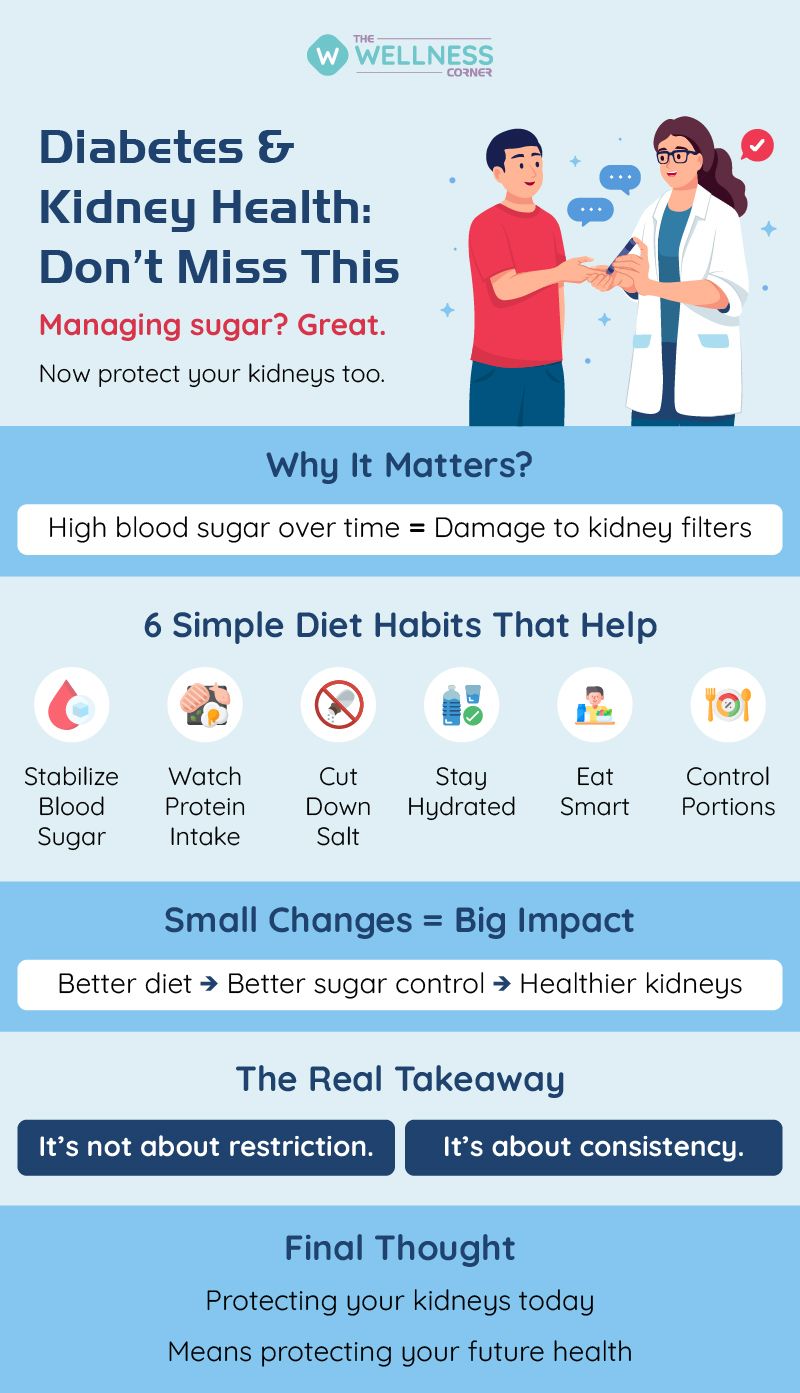
Diabetes is a major contributor to kidney-related health issues. Over time, high blood sugar can damage the tiny blood vessels in the kidneys, affecting their ability to filter waste effectively.
The good news is that your daily diet can play a powerful role in protecting your kidney health.
With a few simple, consistent changes, you can reduce strain on your kidneys and support long-term well-being.
Let’s explore six practical diet tips that can make a real difference.
Also Read: 7 Signs From Your Body That Mean You’re Heading Towards Diabetes
1. Keep Your Blood Sugar Levels Steady
The most important step in protecting your kidneys is maintaining stable blood sugar levels.
Frequent spikes in blood sugar can damage the filtering units in your kidneys over time.
Focus on:
- Balanced meals with complex carbohydrates
- Including protein and healthy fats in your diet
- Avoiding excessive refined sugars
Maintaining regular eating patterns can ease the strain on your body as well as your kidneys.

2. Be Mindful Of Your Protein Intake
Protein is essential for your body, but too much of it can put extra pressure on your kidneys.
When protein is broken down, it produces waste that your kidneys need to filter.
This doesn’t mean protein needs to be eliminated from your diet. Instead, focus on moderation and quality.
Choose sources like:
- Lentils and legumes
- Eggs
- Lean meats or plant-based proteins
Your ideal intake may vary, so it is best to follow personalized guidance if needed.
Also Read: Indian Foods That Offer Better Fat Balance Than Avocados And More Protein Than Quinoa
3. Reduce Excess Salt In Your Diet
High sodium intake can increase blood pressure, which is closely linked to kidney health.
Excess salt can cause your kidneys to work harder and may exacerbate existing health issues.
To reduce sodium:
- Limit packaged and processed foods
- Avoid adding extra salt at the table
- Use herbs and spices for flavor instead
Small adjustments in your daily meals can significantly reduce your sodium intake.

4. Stay Well Hydrated
Water plays a key role in helping your kidneys flush out toxins and waste.
Proper hydration supports overall kidney function and helps maintain balance in the body.
However, hydration needs can vary depending on your health condition.
Drinking water regularly throughout the day is a simple yet effective habit.
5. Choose Kidney-Friendly Foods
Certain foods are naturally supportive of kidney health.
Incorporate options like:
- Fresh fruits and vegetables
- Whole grains
- Healthy fats such as nuts and seeds
At the same time, be cautious with foods that are highly processed or high in sugar and unhealthy fats.
A balanced diet supports both blood sugar control and kidney function.
Also Read: 8 Golden Rules To Take Care Of Your Kidneys

6. Watch Your Portion Sizes
Even healthy foods can impact your health if consumed in large quantities.
Portion control helps maintain balanced nutrient intake and prevents unnecessary strain on your body.
Eating mindfully and paying attention to portion sizes can improve both blood sugar management and kidney health.
Here Is A Diet Plan You Can Follow
|
Meal |
Menu |
Quantity |
|
Early
Morning |
Overnight
Soaked Fenugreek Seeds Water +
Soaked Almonds +
Soaked Walnuts |
1
Glass 5
No. 2
No. |
|
Breakfast |
Onion
Poha / Rawa Upma with Veggies / Ragi Idli with Peanut Chutney / Whole Wheat
Bread Paneer Sandwich / Egg White Omelette +
Buttermilk |
1
Bowl / 2 No. 1
Glass |
|
Mid-Morning |
Whole
Fruit (Melons / Papaya / Pomegranate / Apple / Pear / Orange) +
Roasted Mixed Seeds |
1
No. 1
Teaspoon |
|
Lunch |
Salad
(Cucumber + Carrot) +
Dal +
Cooked Vegetable +
Curd +Multigrain
Chapati |
1
Bowl 1
Bowl 1
Bowl 1
Bowl 1-2
No. |
|
Evening
Snack |
Green
Tea +
Roasted Chana + Roasted Makhana |
1
Cup 1
Handful Each |
|
Dinner |
Boiled
Paneer/ Tofu/ Egg White / Chicken +
Seasonal Cooked Vegetable +
Cooked Millet or Chapati |
2-3
Piece 1
Bowl 1
Bowl / 2 No. |
|
Bed
Time |
Low
Fat Turmeric Milk (Without Sugar) |
1
Glass |
Why Diet Matters More Than You Think?
Kidney damage often develops gradually.
You may not notice symptoms in the early stages, which is why prevention is so important.
Your daily food choices influence:
- Blood sugar levels
- Blood pressure
- Overall metabolic health
By making mindful dietary decisions, you can slow down or even prevent complications.
Also Read - Metabolism: Time Required To See Noticeable Changes??

Building A Sustainable Eating Routine
Healthy eating is not about strict restrictions.
It is about creating habits that you can maintain over time.
Start small:
- Make gradual changes to your meals
- Plan your food choices in advance
- Stay consistent rather than aiming for perfection
These steps make it easier to build a routine that supports your long-term health.
The Bigger Picture: Caring For Your Whole Body
Managing diabetes involves more than just keeping your blood sugar in check.
It is about taking a holistic approach to your health.
When you support your kidneys through proper nutrition, you also improve your energy levels, overall well-being, and quality of life.
Your body works as a system, and every healthy choice contributes to better outcomes.

Take The Right Steps With The Wellness Corner
Understanding what to eat and how to manage your health can feel overwhelming at times.
The Wellness Corner offers expert guidance to help you create personalized nutrition plans, manage diabetes effectively, and support your kidney health.
With the right support, you can build habits that are practical, sustainable, and tailored to your needs.

Frequently Asked Questions (FAQs)
1. Can diabetes affect kidney health?
Yes, high blood sugar levels over time can damage the kidneys and affect their function.
2. How much protein should I consume?
It depends on your health condition, so it is best to follow personalized advice from a healthcare professional.
3. Is drinking more water always better for the kidneys?
Hydration is important, but intake should be balanced based on your individual needs.
4. Why is salt harmful to kidney health?
Excess sodium can increase blood pressure and put additional strain on the kidneys.
5. Can diet alone protect my kidneys?
Diet plays a major role, but regular check-ups and overall lifestyle management are also important.
Leave a Comment

Sign-Up Now & Unlock
₹100 Cashback
Recently Published
Related Articles


Health Checks @ Home
Service
Explore



Follow us on:


© 2026 Truworth Health Technologies Pvt. Ltd.