These 7 Signs In Your Eyes Indicate High Cholesterol - Don’t Ignore Them
1 day ago
5 minute read.
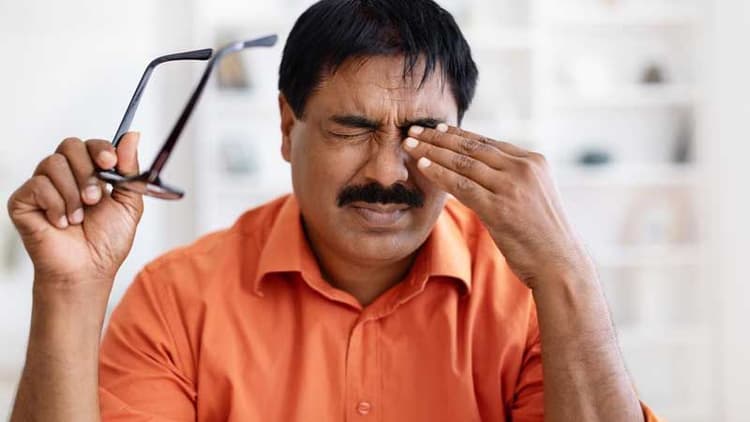
Most people associate high cholesterol with heart health, blood tests, and lifestyle choices. Rarely do we connect it with what we see in the mirror every day. But your eyes can quietly reveal early warning signs long before more serious complications arise.
The truth is, your body often sends subtle signals when something is off. The real challenge lies in identifying them before it’s too late. When it comes to cholesterol, your eyes may offer some of the earliest visible clues. Paying attention to these signs can help you take action before it impacts your long-term health.
Let’s explore the seven eye-related signs that may indicate high cholesterol and why you should never ignore them.
Also Read: How High Cholesterol Impacts Your Body?
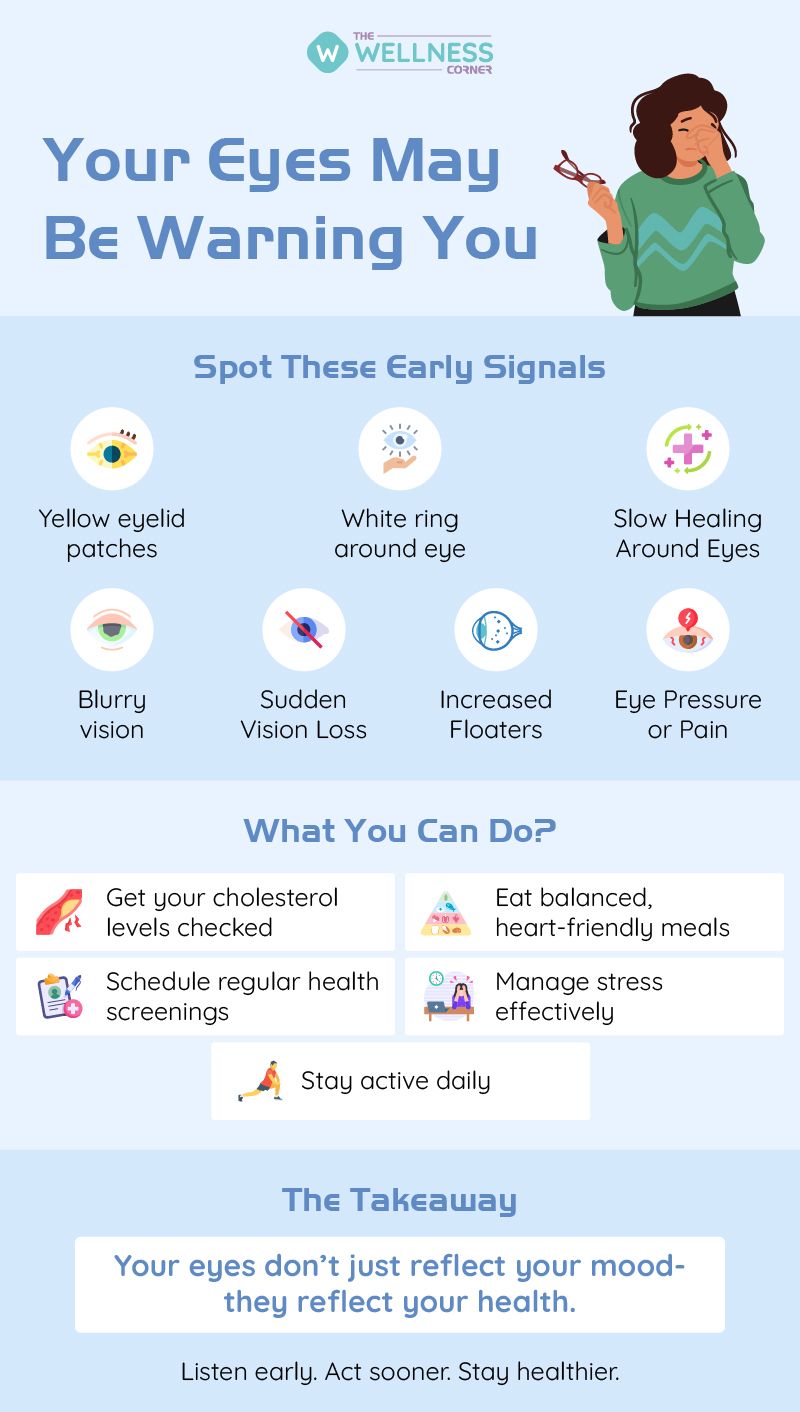
1. Yellowish Deposits Around The Eyes
One of the most noticeable signs is the appearance of soft, yellowish patches around your eyelids. These are often found near the inner corners of the eyes.
This condition is known as xanthelasma. It happens when cholesterol starts depositing under the skin. While these patches are usually painless, they are a strong visual indicator that your cholesterol levels may be elevated.
If you notice these changes, it is worth getting your lipid profile checked.
2. A White Or Gray Ring Around The Cornea
Have you ever observed a faint white or gray circle developing around the iris of your eye?
This condition is called arcus senilis.
While it is common in older adults, seeing it at a younger age can be a red flag for high cholesterol. This ring forms due to fat deposits in the cornea.
It does not affect vision, which is why many people ignore it. However, it can be an early sign that your cholesterol levels need attention.
Also Read: Sticky Cholesterol And Its Impact On Heart Health
3. Blurred Or Distorted Vision
High cholesterol can affect blood circulation, including the tiny blood vessels that supply your eyes. When these vessels are compromised, it can lead to blurred or distorted vision.
You may notice difficulty focusing, especially during routine tasks like reading or working on a screen. While occasional blurriness can have many causes, persistent issues should not be ignored.
It may indicate restricted blood flow due to plaque buildup.

4. Sudden Vision Loss
Sudden vision loss is not common, but when it happens, it can be serious. In some cases, high cholesterol contributes to blockages in the blood vessels of the retina.
This can lead to a condition known as retinal artery occlusion. It’s a critical medical situation that needs prompt care.
Even a temporary loss of vision should never be dismissed, as it could signal an underlying cardiovascular issue.
Also Read: 5 Great Benefits Of Cardiovascular Exercise!
5. Dark Spots Or Floaters
Seeing small dark spots, lines, or floaters drifting across your field of vision can be unsettling. While floaters are common with age, a sudden increase may be linked to circulation issues.
High cholesterol can affect the health of retinal blood vessels, leading to tiny leaks or disruptions that create these visual disturbances.
If you notice a sudden change in the number or pattern of floaters, it is best to consult a specialist.
6. Eye Pain Or Pressure
Although less common, some individuals with high cholesterol may experience discomfort, pressure, or a dull ache in the eyes.
This can happen when blood flow is restricted or when underlying vascular issues begin to affect the eye structures.
Persistent discomfort is your body’s way of asking for attention. Ignoring it may delay diagnosis of a deeper issue.

7. Slow Healing Around The Eyes
Another subtle sign is delayed healing of minor cuts, infections, or irritations around the eye area.
High cholesterol can impair blood circulation, which in turn slows down the body’s natural healing process. If you notice that small issues around your eyes take longer than usual to recover, it might be worth investigating further.
Also Read - Plow Pose: Ground Your Body & Improve Circulation
The Importance Of Recognizing These Signs Early
High cholesterol is often called a silent condition because it does not always present obvious symptoms. By the time it is detected through major health events, the damage may already be significant.
Your eyes, however, can act as an early warning system. Recognizing these signs allows you to take preventive steps before complications arise.
Ignoring them could increase the risk of heart disease, stroke, and other serious health concerns.
What You Can Do Next?
If you experience any of these signs, remain composed and focus on taking positive steps to improve your health.
Start with a simple health checkup that includes your cholesterol levels. Detecting it at an early stage can greatly improve outcomes.
Alongside medical advice, consider adopting healthier habits such as:
- Maintaining a balanced diet
- Staying physically active
- Managing stress effectively
- Avoiding smoking and excessive alcohol use
- Getting regular health screenings
Small, consistent changes can lead to long-term benefits.
When Should You See A Doctor?
It’s advisable to seek medical advice if you observe:
- Persistent changes in your eyes
- Sudden vision disturbances
- Visible deposits or discoloration
- Any discomfort that does not go away
Early medical guidance can help you understand whether these signs are linked to cholesterol or another condition.
Closing Note: Pay Attention To The Signals Your Eyes Give You
Your eyes do far more than simply let you see the world around you. They may also offer insight into your overall well-being.
Ignoring early warning signs can lead to complications that are far more difficult to manage later. By staying aware and taking timely action, you can protect not just your vision but your overall well-being.
Well-being isn’t only about responding when issues arise. It is about noticing the small signals and acting before they grow bigger.
Take Charge Of Your Health Today
If you are looking for a smarter way to stay on top of your health, explore expert-backed tools and resources at The Wellness Corner.
Offering tailored health insights and preventive care advice, it empowers you to make well-informed choices for your daily well-being.
Frequently Asked Questions
1. Can high cholesterol really affect the eyes?
Yes, high cholesterol can impact blood vessels in the eyes and lead to visible signs like deposits, rings, or vision changes.
2. Are these eye signs always linked to cholesterol?
Not always. Some symptoms may have other causes, which is why proper diagnosis is important.
3. Is arcus senilis dangerous?
In older adults, it is usually harmless. However, in younger individuals, it may indicate high cholesterol levels.
4. Can lifestyle changes reduce these symptoms?
Yes, improving your diet, exercise routine, and overall lifestyle can help manage cholesterol and reduce related symptoms.
5. When should I get my cholesterol checked?
If you notice any unusual eye changes or have risk factors like family history or poor lifestyle habits, it is advisable to get tested promptly.
Leave a Comment

Sign-Up Now & Unlock
₹100 Cashback
Recently Published
Related Articles


Health Checks @ Home
Service
Explore



Follow us on:


© 2026 Truworth Health Technologies Pvt. Ltd.