Does Shaving Your Head Lead To Better Hair Growth?
6 days ago
6 minute read.
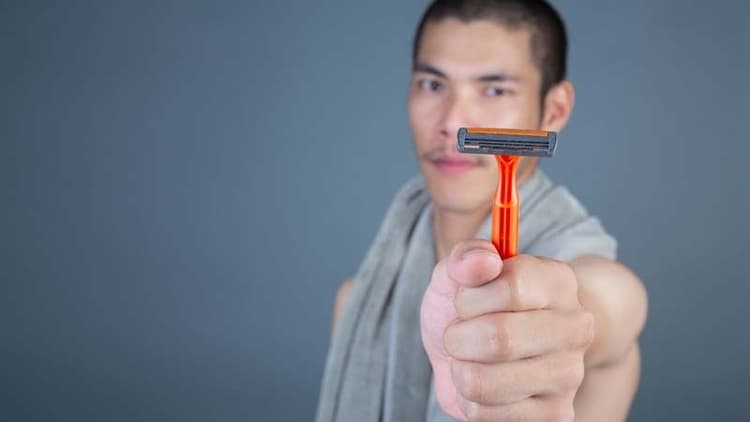
For generations, many people have believed that shaving the head can make hair grow back thicker, stronger, and healthier. This idea is especially common among parents who shave their child’s head during early childhood, believing it will lead to better hair growth later in life. Even adults struggling with thinning hair sometimes consider shaving their heads in hopes of improving hair quality.
But is there any truth behind this belief?
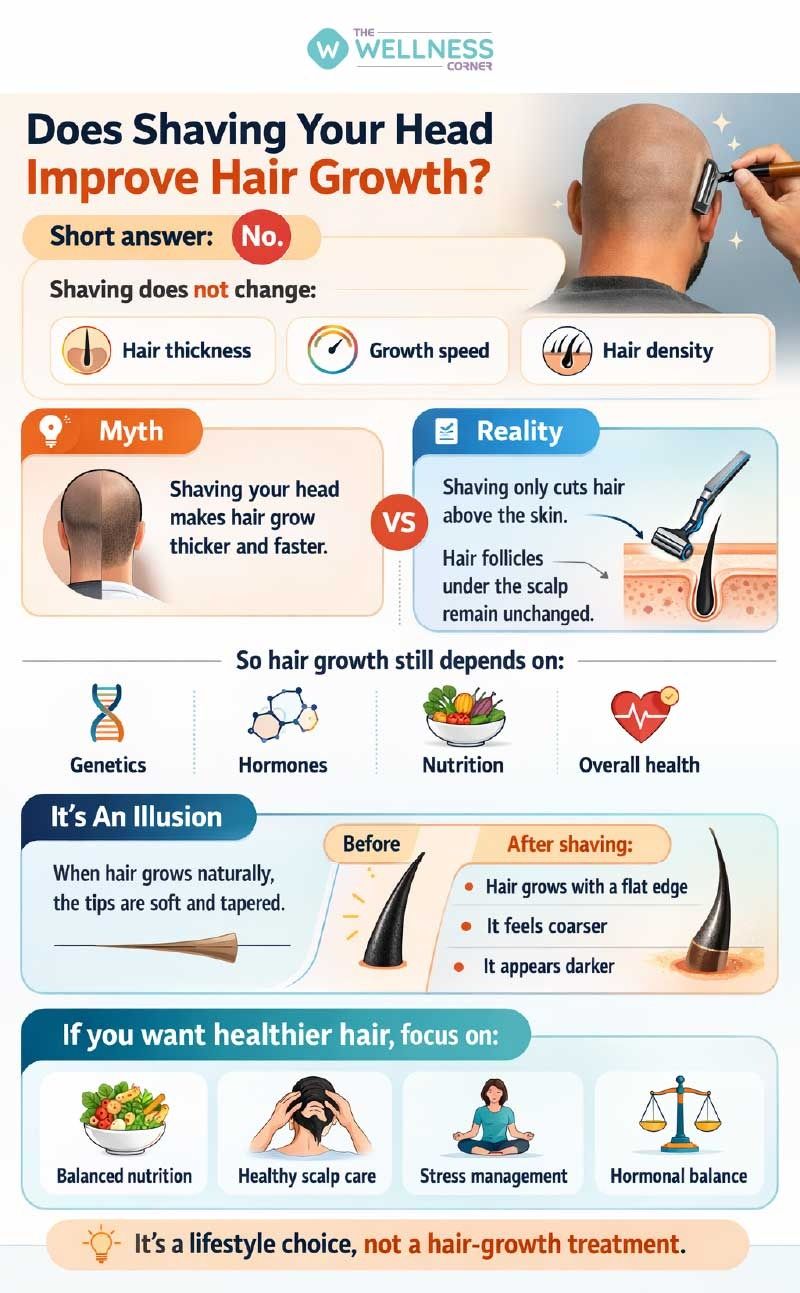
The short answer is no. Shaving the head does not affect the speed or thickness of hair growth.
However, the story behind this common myth is interesting, and understanding it can help you make better choices for your hair care routine.
Let’s explore the science behind hair growth and uncover why shaving your head does not influence how your hair grows.
Also Read: Best Time To Eat Chia Seeds For Maximum Hair Growth
Understanding How Hair Growth Really Works
To understand whether shaving affects hair growth, it helps to first understand how hair grows in the body.
Hair develops from small structures beneath the skin known as hair follicles. These follicles sit beneath the surface of your scalp and are responsible for producing hair strands. The health, thickness, and growth rate of your hair are determined primarily by genetics, hormones, overall health, and nutrition.
Each hair strand goes through a natural growth cycle that includes three stages:
Anagen Phase
This is the active growth stage, during which hair grows continuously. It can last for several years.
Catagen Phase
This is a short transitional stage when hair stops growing, and the follicle begins to shrink.
Telogen Phase
This is the resting stage. After this phase, the hair naturally sheds, and a new strand begins growing.
When you shave your head, you only remove the visible part of the hair above the skin. The follicle beneath the scalp remains unchanged, which means the growth cycle continues exactly as before.
Also Read: Make Your Hair Incredibly Voluminous & So Much Softer With This Scalp Detox

Why Hair Appears Thicker After Shaving?
Many people believe that shaving improves hair growth because the hair often appears thicker or darker when it regrows. However, this is simply a visual illusion.
When hair grows naturally, the tip becomes tapered and soft over time. But when hair is shaved, the hair shaft is cut bluntly at the surface. As the new hair grows out, the blunt edge makes it feel coarser and look darker.
This change in appearance can make it seem like the hair is thicker or stronger, even though the actual structure of the hair has not changed.
In reality, shaving does not affect the thickness, density, or speed of hair growth.
The Myth Behind Childhood Head Shaving
In many cultures, shaving a child’s head during infancy is considered a tradition believed to promote better hair growth. While this practice may hold cultural or religious significance, it does not influence the biological development of hair follicles.
Hair growth patterns are mostly determined by genetics. If a child has naturally thick hair due to hereditary factors, it will grow that way regardless of shaving. Similarly, if the hair is fine or sparse, shaving will not change its long term characteristics.
However, shaving can remove uneven baby hair and allow new hair to grow evenly, which may give the appearance of improved growth.
Can Shaving Help With Hair Health?
While shaving does not directly improve hair growth, it can sometimes offer indirect benefits for scalp care.
When the scalp is shaved, it becomes easier to clean and maintain. Sweat, oil, and product buildup can be removed more easily, which may create a healthier environment for hair follicles.
Some people also find that shaving their head helps them restart their hair care routine, especially if their hair has been damaged by excessive heat styling, chemical treatments, or environmental stress.
However, these benefits are related to scalp hygiene and hair care habits, not the act of shaving itself.
What Actually Promotes Healthy Hair Growth?
If you want healthier hair, focusing on the right lifestyle and care habits is far more effective than shaving your head. Several factors play a major role in supporting strong hair growth.
Balanced Nutrition
Hair follicles need essential nutrients such as protein, iron, zinc, and vitamins to produce strong hair strands. A diet rich in whole foods, leafy greens, nuts, and lean protein supports healthy growth.

Also Read: How To Build A Balanced Plate?(No Dieting Needed)
Scalp Care
Keeping your scalp clean and well hydrated supports follicle health. Gentle shampoos, scalp massages, and avoiding excessive product buildup can improve scalp conditions.
Stress Management
Long-term stress can interfere with the natural hair growth cycle and may result in greater hair loss. Activities such as exercise, meditation, and adequate sleep can help maintain balance.

Hormonal Balance
Hormones influence hair growth significantly. Conditions such as thyroid disorders, hormonal imbalances, or certain medical treatments may affect hair thickness and density.
Gentle Hair Practices
Avoiding excessive heat styling, tight hairstyles, and harsh chemical treatments can reduce damage and breakage.
When Shaving Your Head Can Still Be A Good Choice?
Even though shaving your head does not enhance hair growth, many people still choose to do it for personal reasons.
Some individuals shave their heads to simplify grooming routines, especially in hot climates or busy lifestyles. Others prefer the clean and confident appearance that a shaved head provides.
In certain cases, shaving can also be a practical decision for people experiencing hair loss conditions such as alopecia, as it creates a more uniform look.
Ultimately, shaving your head is a personal style choice rather than a medical solution for hair growth.
The Role Of Self-Care In Hair Wellness
The condition of your hair is strongly connected to your overall health and well-being.
When your body is nourished, hydrated, and balanced, your hair reflects that internal health.
Instead of focusing on quick fixes or popular myths, it is more beneficial to adopt sustainable habits that support your entire body. Healthy routines such as regular exercise, proper nutrition, and stress management often make a noticeable difference in hair quality over time.
Understanding how your body works empowers you to make informed decisions and avoid common misconceptions about hair care.
Also Read - Yoga: An Act Of Self-Care
Final Thoughts
Shaving your head does not make hair grow faster, thicker, or stronger. The growth of your hair is determined by your genetics, hormones, and overall health rather than the way you cut it.
The reason hair sometimes appears thicker after shaving is simply due to the blunt edge of the regrowing strand. While shaving may offer benefits related to scalp cleanliness or personal style, it does not alter the biology of hair growth.
If your goal is healthier hair, focus on nourishing your body, caring for your scalp, and maintaining a balanced lifestyle. Small daily habits often have a much greater impact than popular hair myths.
Also Read: 7 Night Haircare Hacks To Wake Up With Smooth, Healthy Hair
Frequently Asked Questions (FAQs)
1. Can shaving your head make hair grow back thicker?
No. Shaving does not change the thickness or density of hair. It only cuts the hair at the surface of the skin.
2. Why does hair feel rough after shaving?
After shaving, hair grows with a blunt tip instead of a tapered end. This makes it feel coarser, even though its structure remains the same.
3. Does shaving help reduce hair fall?
Shaving does not affect the hair follicles responsible for growth, so it does not prevent hair fall.
4. Can shaving damage hair follicles?
No. Shaving only removes hair above the skin and does not harm the follicles beneath the scalp.
5. What is the best way to promote healthy hair growth?
A balanced diet, proper scalp care, stress management, and gentle hair practices are the most effective ways to support healthy hair.
Begin Your Path To Better Health With The Wellness Corner
Healthy hair begins with a healthy body. When you understand how nutrition, lifestyle, and mental well-being influence your overall health, you can make better choices for long-term wellness.
With The Wellness Corner, you can access expert guidance, personalized health insights, and practical tools that help you build healthier habits every day.
Whether you want to improve your nutrition, manage stress, or learn more about holistic health, The Wellness Corner provides the support you need to take control of your well-being.
Leave a Comment

Sign-Up Now & Unlock
₹100 Cashback
Recently Published
Related Articles


Health Checks @ Home
Service
Explore



Follow us on:


© 2026 Truworth Health Technologies Pvt. Ltd.