Iron Overload: How to Know If You’re Taking Too Much?
1 day ago
4 minute read.
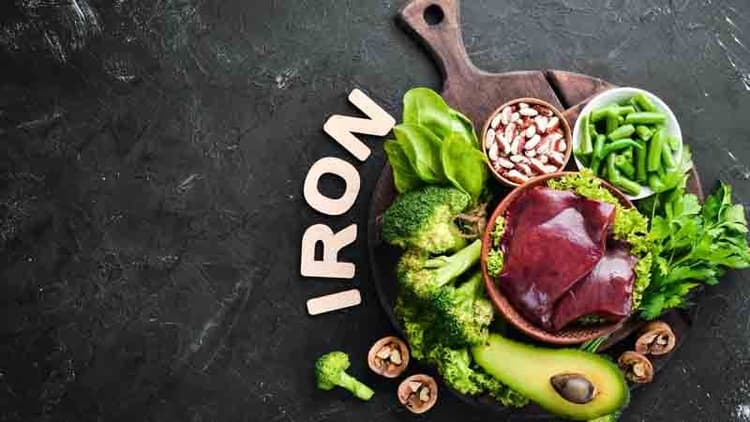
Iron is often associated with strength, energy, and vitality. From supplements to fortified foods, many people actively try to increase their iron intake, especially if they have experienced fatigue or have been told they might be deficient.
But here’s something that does not get talked about enough.
Too much iron can be just as harmful as too little.
In a world where supplements are easily available and often self-prescribed, it is surprisingly easy to cross the line from “enough” to “too much” without realizing it.
If you have been taking iron supplements or consuming iron-rich products regularly, it is worth understanding how your body handles iron and what happens when levels go beyond what you need.
Also Read: Sources Of Iron Rich Foods
Why Your Body Needs Iron In The First Place?
Iron is vital for transporting oxygen across the body. It helps form hemoglobin, a protein in red blood cells that transports oxygen to tissues and organs.
Adequate iron levels support:
- Energy production
- Cognitive function
- Immune health
- Physical performance
This is why iron deficiency can lead to fatigue, weakness, and reduced focus.
But balance is everything.

What Is Iron Overload?
Iron overload occurs when excess iron builds up in the body over time.
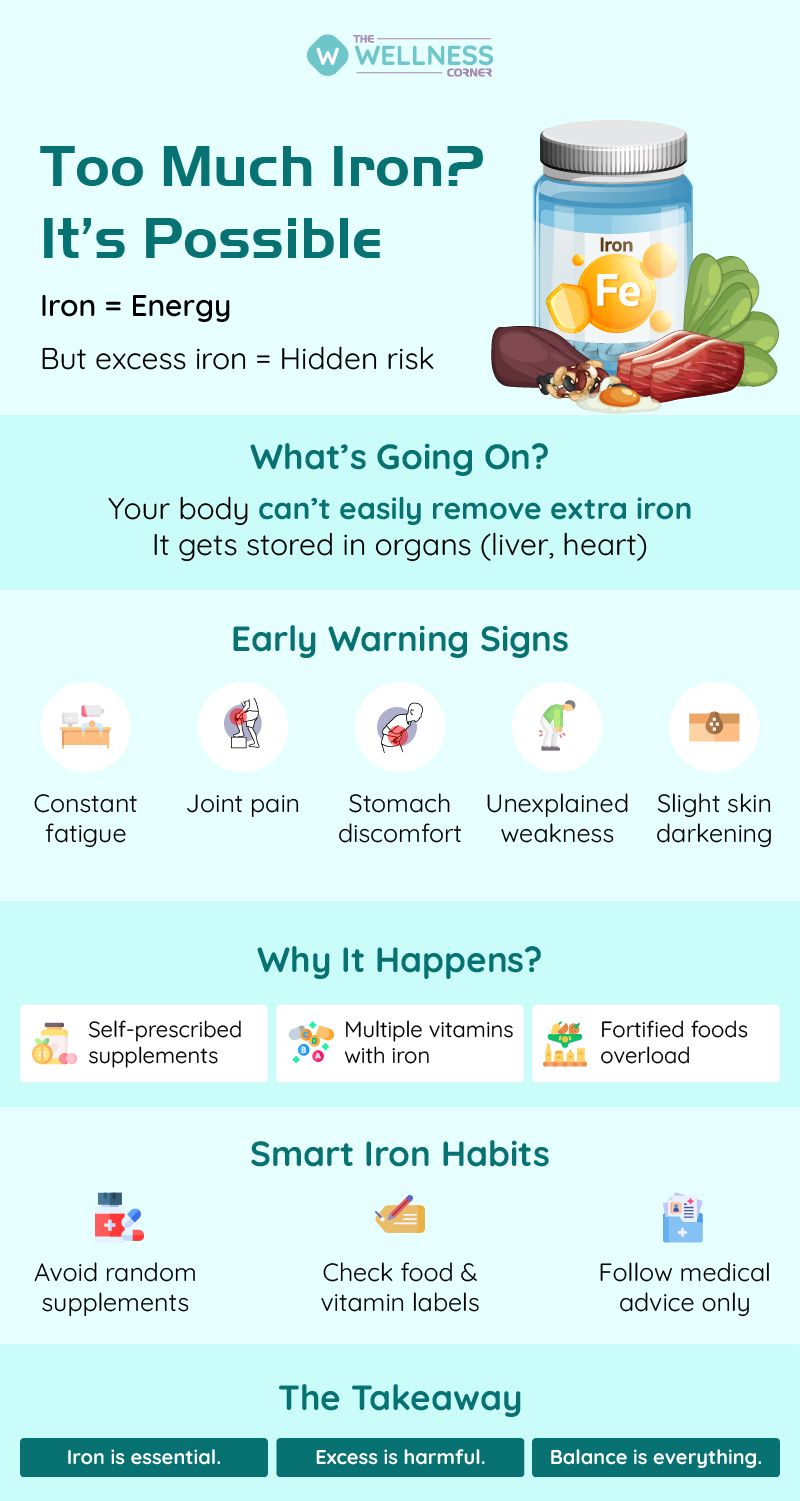
Unlike some nutrients, your body does not have an efficient way to eliminate excess iron. When intake consistently exceeds your needs, the extra iron gets stored in organs such as the liver, heart, and pancreas.
Over time, this buildup can interfere with how these organs function.
How Does It Happen?
Iron overload can develop due to several reasons:
- Taking iron supplements without medical advice
- Using multiple supplements that contain iron
- Frequent consumption of iron-fortified foods
- Certain genetic conditions that increase iron absorption
- Repeated blood transfusions in medical settings
In many cases, people are unaware they are consuming more iron than necessary.
Also Read - Blood Transfusions: The Truth

Early Signs You Should Not Ignore
Iron overload does not always show clear symptoms in the beginning. When it does, the signs can be subtle and easy to overlook.
Some early indicators include:
- Persistent fatigue despite adequate rest
- Joint pain or stiffness
- Abdominal discomfort
- Unexplained weakness
- Skin appearing slightly darker or bronze
Because these symptoms are non-specific, they are often mistaken for other conditions.
What Happens If Iron Levels Stay High?
Long-term iron overload can affect major organs.
Excess iron can lead to:
- Liver damage or inflammation
- Heart-related complications
- Hormonal imbalances
- Increased oxidative stress in the body
The key concern is that damage can develop gradually, often without obvious warning signs.
Also Read: 9 Common Symptoms Of Hormonal Imbalances Among Women (And What To Do?)

Supplements Are Not Always Harmless
Many people assume that supplements are safe because they are easily available.
However, taking iron supplements without confirmed deficiency can lead to unnecessary intake.
Even multivitamins may contain iron, which adds to your daily total.
It is important to read labels and understand how much you are consuming from all sources combined.
Who Should Be More Careful?
Certain individuals need to be particularly cautious with iron intake.
This includes:
- People who already have adequate or high iron levels
- Individuals with genetic tendencies for higher iron absorption
- Those taking multiple supplements
- People who frequently consume fortified foods
Also Read: Are Fortified Oils Good For Health?
On the other hand, some groups such as pregnant women or individuals with diagnosed anemia may require higher iron intake, but only under medical supervision.

How To Check Your Iron Levels?
The only reliable way to know your iron status is through blood tests.
Doctors may recommend tests such as:
- Serum ferritin
- Serum iron
- Total iron-binding capacity
These tests provide a clearer picture of how much iron is stored in your body and whether supplementation is needed.
Smart Ways To Manage Your Iron Intake
Managing iron does not mean avoiding it completely. It means maintaining the right balance.
Avoid Self-Prescribing Supplements
Do not start iron supplements without medical advice or test results.
Be Mindful Of Fortified Foods
Check labels on cereals and packaged foods that may contain added iron.
Review Your Multivitamins
If you are already getting enough iron from your diet, you may not need additional supplementation.
Follow Medical Guidance
If you have been prescribed iron, stick to the recommended dosage and duration.

The Bigger Picture: Balance Over Excess
In nutrition, more is not always better.
Iron is important for your body, but only when consumed in appropriate amounts.
Both deficiency and excess can affect your health in different ways.
Understanding your body’s needs and making informed choices can help you avoid unnecessary risks.
Take Charge Of Your Health With The Wellness Corner
Navigating supplements and nutrition can feel confusing, especially when there is so much conflicting information.
The Wellness Corner offers expert guidance to help you understand your nutritional needs, interpret health markers, and make informed decisions that support your overall well-being.
With personalized support, you can move toward better balance and long-term health.
Frequently Asked Questions (FAQs)
1. Can taking iron supplements without deficiency be harmful?
Yes, unnecessary supplementation can lead to excess iron buildup over time.
2. What are common symptoms of iron overload?
Fatigue, joint pain, abdominal discomfort, and weakness are some early signs.
3. How can I know if I need iron supplements?
The most accurate way to assess your iron levels is through a blood test.
4. Is iron from food also a concern?
Excess from food alone is less common, but fortified foods can add up.
5. Should I stop taking iron supplements on my own?
It is best to consult a healthcare professional before making changes.
Leave a Comment

Sign-Up Now & Unlock
₹100 Cashback
Recently Published
Related Articles


Health Checks @ Home
Service
Explore



Follow us on:


© 2026 Truworth Health Technologies Pvt. Ltd.