Here’s What Happens To Your Body When You Mix Alcohol And Smoking
1 day ago
6 minute read.
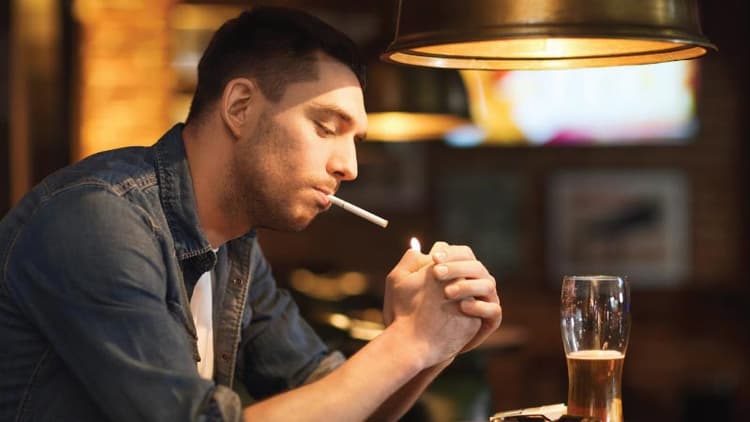
It is not unusual to see alcohol and smoking go hand in hand. At social gatherings, parties, or even during moments of stress, many people tend to combine these two habits without giving much thought to their impact on the body. A drink in one hand and a cigarette in the other has almost become a cultural image in many settings.
However, what many people do not realize is that alcohol and tobacco together can place a far greater strain on the body than either one alone. When these two substances are combined, they interact in ways that intensify their harmful effects. This combination affects multiple systems in the body, including the brain, heart, lungs, liver, and immune system.
Knowing how alcohol and smoking interact inside your body can help you make healthier and more thoughtful decisions about your lifestyle.
Also Read: How Smoking Affects Your Body?
Why Alcohol And Smoking Often Go Together?
Before exploring the health effects, it helps to understand why these two habits frequently appear together.
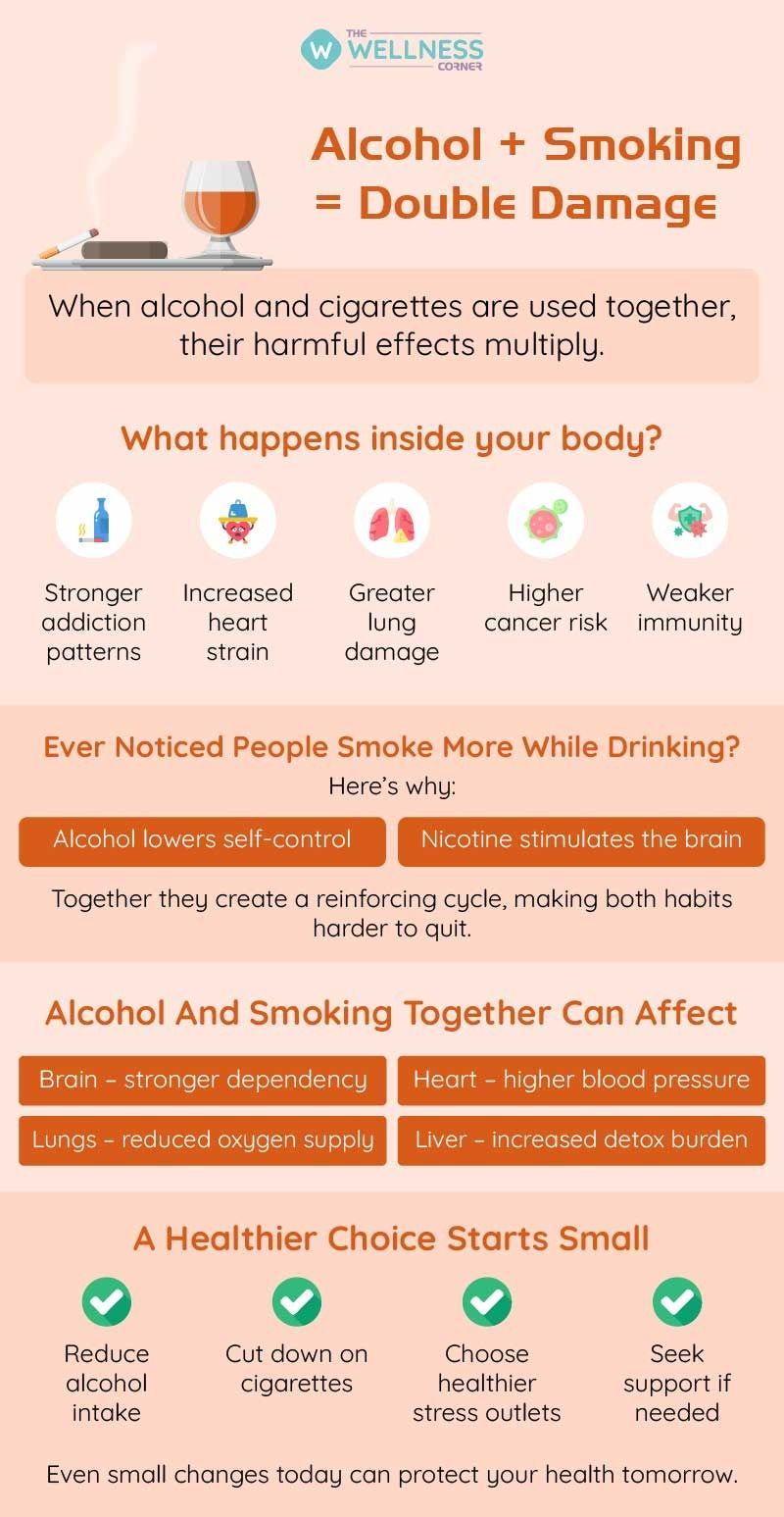
Alcohol lowers inhibitions and reduces self-control. After drinking, people may feel more relaxed and less concerned about consequences. This often makes them more likely to smoke or smoke more than usual.
Nicotine, on the other hand, can create a temporary feeling of alertness. Some individuals believe that smoking helps them stay awake or balanced while drinking. This creates a cycle where one habit reinforces the other.
Over time, this pairing can become deeply ingrained in social routines and personal habits.
Also Read: Stop Having These Foods While Drinking Alcohol!

A Powerful Chemical Combination Inside The Body
When alcohol and tobacco enter the body together, they trigger complex chemical reactions.
Alcohol is processed mainly by the liver, where it is broken down into a compound called acetaldehyde. This substance is toxic and can damage cells if it builds up in the body.
At the same time, tobacco smoke introduces thousands of chemicals, including nicotine, carbon monoxide, and carcinogens. When these substances interact with alcohol byproducts, they can create an even more harmful environment inside the body.
The combined exposure increases the burden on organs that are responsible for detoxifying and protecting the body.
Effects On The Brain And Nervous System
Both alcohol and nicotine affect the brain, but they do so in different ways.
Alcohol acts as a depressant. It reduces brain function, weakens decision-making ability, and interferes with physical coordination.
This is why people feel relaxed, less inhibited, and sometimes unsteady after drinking.
Nicotine, in contrast, stimulates the nervous system. It triggers the release of dopamine, the chemical associated with pleasure and reward.
When these two substances are used together, they send mixed signals to the brain. Alcohol encourages relaxation while nicotine stimulates alertness. This interaction can increase dependence on both substances because the brain begins to associate the combination with a stronger reward response.
Over time, this pattern can make it more difficult for individuals to quit either habit.
Also Read: Ways To Give Your Nervous System A Break

Increased Risk Of Cancer
One of the most serious consequences of combining alcohol and smoking is the increased risk of certain cancers.
Research has shown that alcohol can make the tissues in the mouth, throat, and esophagus more vulnerable to damage. When tobacco smoke passes through these tissues, the harmful chemicals can penetrate more easily.
This significantly raises the risk of cancers of the mouth, throat, and esophagus compared to using either substance alone.
In simple terms, alcohol acts like a gateway that allows tobacco toxins to cause more serious damage.
Greater Strain On The Heart
Your heart and blood vessels are also affected by this combination.
Smoking narrows blood vessels and reduces oxygen supply in the body. Carbon monoxide from cigarette smoke also interferes with the blood’s ability to carry oxygen.
Alcohol, when consumed excessively, can raise blood pressure and weaken the heart muscle over time.
Together, these effects increase the risk of heart disease, stroke, and circulation problems. The heart must work harder to pump oxygen through blood vessels that are already under stress.
Over time, this can lead to serious cardiovascular complications.
Also Read: Can Exercise Help You To Quit Smoking?

Damage To The Liver
The liver plays a crucial role in detoxifying the body, especially when alcohol is consumed.
When alcohol enters the bloodstream, the liver breaks it down so that it can be eliminated from the body. However, smoking introduces additional toxins that the liver must also process.
This dual workload can overwhelm the liver. Over time, it increases the risk of liver inflammation, fatty liver disease, and long-term liver damage.
People who both smoke and drink regularly may face a higher chance of developing liver-related complications compared to those who only drink alcohol.
Effects On The Lungs And Respiratory System
Smoking already causes significant damage to the lungs. It irritates the airways, destroys lung tissue, and reduces the ability of the lungs to deliver oxygen efficiently.
Alcohol can worsen this damage by weakening the immune defenses of the respiratory system. This makes the lungs more vulnerable to infections and inflammation.
As a result, individuals who combine alcohol and smoking may have a higher risk of respiratory illnesses, chronic cough, and long-term lung diseases.
Also Read: Breathing Exercises To Keep Your Lungs Healthy During Winter
A Weakened Immune System
Your immune system works constantly to defend the body against infections and disease.
Alcohol weakens immune function by interfering with the body’s ability to produce protective immune cells. Smoking also damages immune defenses by introducing toxins that disrupt normal cellular activity.
When combined, these habits can significantly reduce the body’s ability to fight infections. This can make people more susceptible to illnesses and slow down recovery.
Even minor infections may take longer to heal when the immune system is under constant strain.

The Cycle Of Addiction
One of the most concerning aspects of combining alcohol and smoking is how easily the two habits reinforce each other.
Studies have shown that people who smoke are more likely to drink, and people who drink frequently are more likely to smoke. This creates a behavioral loop that can make quitting more difficult.
Nicotine cravings may increase while drinking alcohol, and alcohol may trigger the urge to smoke.
Breaking this cycle often requires conscious effort and support.
Small Steps Toward Healthier Choices
Understanding the effects of alcohol and smoking together is the first step toward healthier habits.
Reducing alcohol consumption, limiting smoking, or seeking support to quit can significantly improve long-term health. Even minor adjustments can create a positive impact in the long run. Adopting healthier routines such as regular exercise, balanced nutrition, and stress management can also help reduce dependence on these habits.
Taking care of your body today can protect your health for years to come.
Final Thoughts
Alcohol and smoking are often seen as separate habits, but when combined, they can amplify each other’s harmful effects. Together, they place extra stress on the brain, heart, lungs, liver, and immune system.
While occasional social use may seem harmless, regular exposure to both substances can increase the risk of serious health conditions.
Being aware of these effects empowers you to make better choices for your well-being. Protecting your health does not always require drastic changes. Sometimes, it simply begins with understanding how everyday habits affect your body.
Frequently Asked Questions (FAQs)
1. Is it more harmful to combine alcohol and smoking than to use them separately?
Yes. When used together, alcohol and tobacco can intensify each other's harmful effects and increase the risk of several diseases.
2. Why do people feel the urge to smoke while drinking alcohol?
Alcohol reduces inhibitions and can trigger nicotine cravings, which is why many people smoke more while drinking.
3. Does mixing alcohol and smoking increase cancer risk?
Yes. The combination significantly increases the risk of cancers of the mouth, throat, and esophagus.
4. Can quitting one habit reduce health risks?
Yes. Reducing or quitting either smoking or alcohol consumption can lower the strain on your body and improve overall health.
5. What is the best way to break the alcohol and smoking cycle?
Seeking support, building healthier routines, and gradually reducing both habits can help break the cycle over time.
Take The First Step Toward Better Health With The Wellness Corner
Healthy living is not just about avoiding harmful habits; it's also about embracing healthy ones. It is also about building positive routines that support your body and mind every day.
With The Wellness Corner, you can access expert guidance, wellness resources, and personalized health insights that help you make smarter lifestyle choices.
From mental health support to nutrition advice and fitness guidance, the platform empowers you to take control of your well-being in a simple and practical way.
Leave a Comment

Sign-Up Now & Unlock
₹100 Cashback
Recently Published
Related Articles


Health Checks @ Home
Service
Explore



Follow us on:


© 2026 Truworth Health Technologies Pvt. Ltd.