7 Signs You Are Eating More Salt Than Your Body Can Handle
1 day ago
5 minute read.
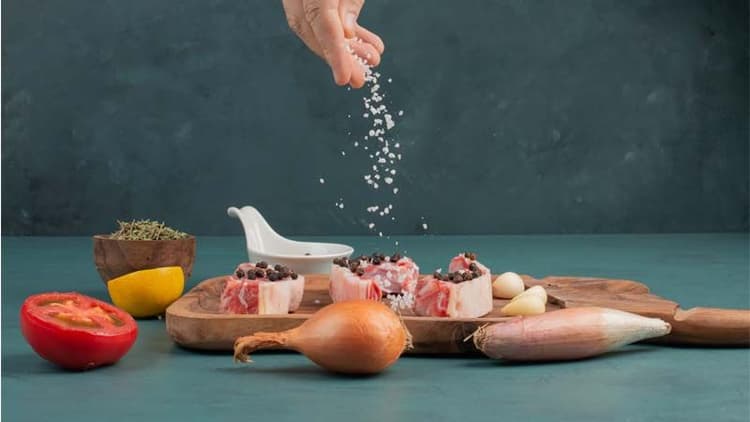
Most people think of salt as something sprinkled over fries or added while cooking.
But the reality is far more surprising.
A large amount of sodium in modern diets comes from packaged foods, sauces, snacks, instant meals, restaurant dishes, and processed ingredients that do not always taste obviously salty.
While sodium is essential for important body functions like nerve activity and fluid balance, too much of it can gradually place stress on the body.
The challenge is that high salt intake does not always produce immediate warning signs.
Instead, the body often sends subtle signals that are easy to ignore.
Understanding these signs can help you become more aware of your eating habits before they begin affecting long-term health.
Also Read: Ways Excessive Salt Intake Can Impact Your Health
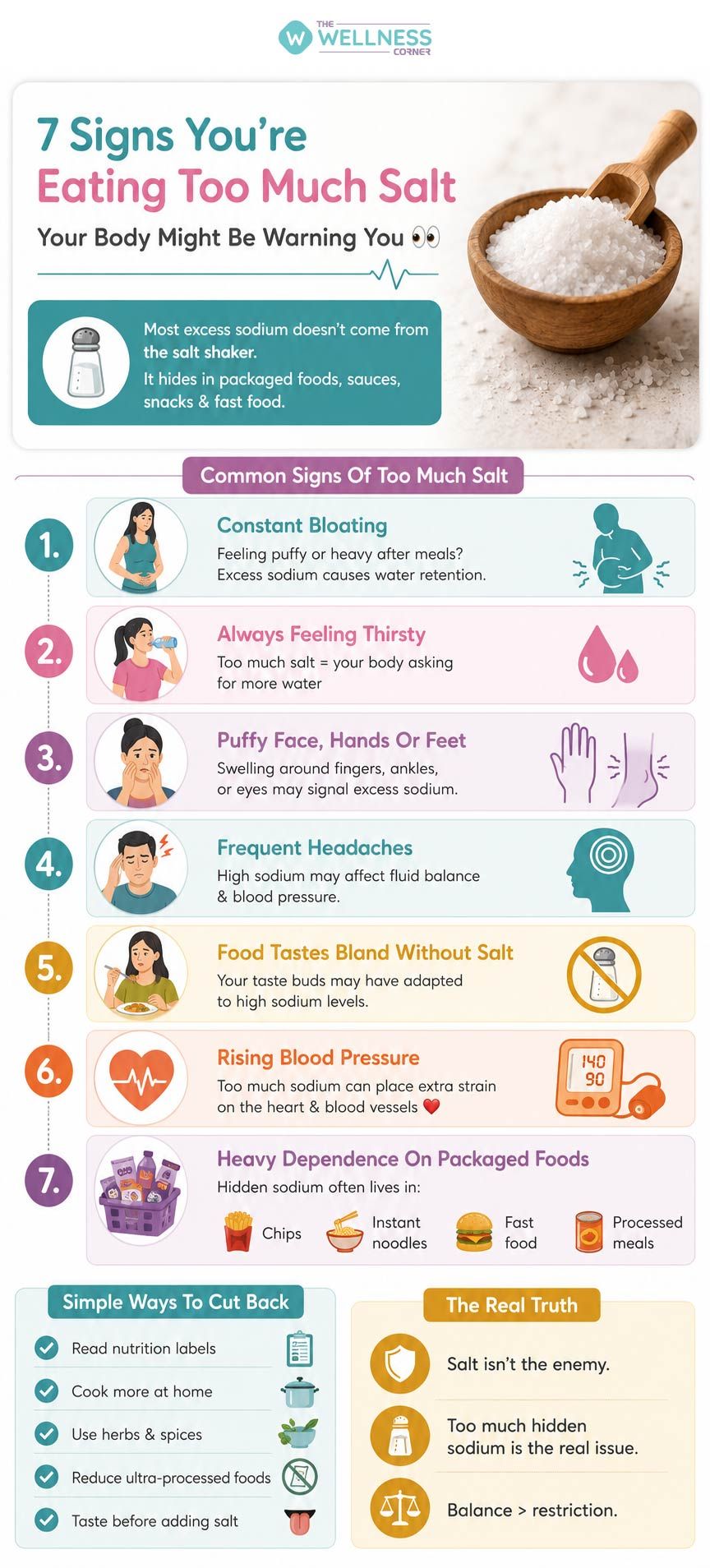
Why Does The Body Need Salt?
Sodium is involved in many essential functions that help the body operate properly.
It helps with:
- Fluid balance
- Muscle function
- Nerve signaling
- Blood pressure regulation
The problem is not salt itself.
The issue arises when intake consistently exceeds what the body can comfortably manage.
Over time, excessive sodium consumption may affect the heart, kidneys, blood vessels, and overall fluid balance.

1. You Feel Bloated Frequently
One of the most common signs of excess sodium intake is bloating.
Salt encourages the body to retain water.
As fluid builds up, you may notice:
- Puffiness
- Swelling
- A heavy feeling after meals
- Tightness in clothing
This is especially common after consuming processed or restaurant foods high in sodium.
Also Read: Feel Bloated After Eating Out? Experts Recommend Doing This Immediately!
2. You Constantly Feel Thirsty
If you often feel unusually thirsty, your sodium intake may be playing a role.
When sodium levels rise, the body tries to restore balance by increasing thirst signals.
You may find yourself:
- Drinking water constantly
- Waking up thirsty at night
- Feeling dry after salty meals
Occasional thirst is normal, but persistent excessive thirst deserves attention.
3. Your Hands, Feet, Or Face Look Puffy
Excess salt can contribute to water retention throughout the body.
Some people notice swelling around:
- Fingers
- Ankles
- Feet
- Under the eyes
This may happen temporarily after high-sodium meals, especially when combined with dehydration or prolonged sitting.
Also Read: Common Drinks That Can Be Extremely Dehydrating In Summers
4. You Experience Frequent Headaches
High sodium intake may influence blood pressure and fluid balance, which can contribute to headaches in some individuals.
Not every headache is related to salt, of course.
But regularly consuming highly processed foods alongside recurring headaches may be worth paying attention to.
5. Food Starts Tasting Bland Without Extra Salt
Taste preferences adapt over time.
When people consume large amounts of salty foods regularly, the palate may become accustomed to stronger sodium levels.
As a result:
- Normal meals may seem flavorless
- You may automatically add salt before tasting food
- Low-sodium foods may feel unsatisfying initially
This does not mean your body “needs” extra salt. It often reflects a conditioned taste preference.
6. Your Blood Pressure Is Increasing
Excessive sodium intake is strongly associated with elevated blood pressure in many people.
High blood pressure can develop gradually and may not show clear warning signs early on.
That is why it is sometimes called a “silent” health issue.
Over time, unmanaged high blood pressure may increase strain on:
- The heart
- Blood vessels
- Kidneys
- Brain
Not everyone responds to sodium the same way, but reducing excess intake can benefit many individuals.
Also Read: New Blood Pressure Control Guidelines Issued By The World Health Organization
7. You Rely Heavily On Packaged And Processed Foods
Sometimes the clearest sign is dietary pattern itself.
Many processed foods contain surprisingly high sodium levels, including:
- Chips
- Instant noodles
- Processed meats
- Frozen meals
- Sauces and condiments
- Fast food
Even foods that do not taste extremely salty may contain significant sodium amounts.
Why Modern Diets Often Contain Too Much Sodium?
Today’s food environment makes high sodium intake incredibly easy.
Convenience foods are widely available, affordable, and heavily marketed.
At the same time, busy lifestyles often reduce home cooking and increase reliance on processed meals.
Many people consume excess sodium without realizing it.
How Much Salt Is Too Much?
Health organizations generally recommend limiting sodium intake to healthy daily ranges.
However, individual needs may vary based on:
- Medical conditions
- Physical activity
- Climate
- Kidney health
- Blood pressure status
Rather than obsessing over exact numbers, it helps to focus on overall eating patterns.
Simple Ways To Reduce Excess Salt Intake
Minor lifestyle changes can lead to noticeable health improvements over time.
1.Read Nutrition Labels
Packaged foods often contain hidden sodium.
Checking labels can increase awareness.
2. Cook More Meals At Home
Home-cooked meals allow greater control over ingredients and seasoning.
3. Use Herbs And Spices For Flavor
Lemon, garlic, pepper, herbs, and spices can enhance taste without relying heavily on salt.
Also Read: Know The Numerous Benefits Of Top 10 Indian Spices
4. Limit Ultra-Processed Foods
Reducing packaged snacks and fast food may significantly lower sodium intake.
5. Taste Food Before Adding Salt
Many people add salt automatically out of habit rather than necessity.

The Bigger Picture: Balance Matters More Than Perfection
Salt is not the enemy.
The body genuinely needs sodium to function properly.
The goal is balance, not fear.
Completely eliminating salt is neither realistic nor healthy for most people. But becoming more mindful of hidden sodium sources can support better long-term health and help reduce unnecessary strain on the body.
Often, awareness is the first step toward healthier choices.
Support Healthier Eating Habits With The Wellness Corner
Understanding nutrition and recognizing everyday health signals can help you make more informed lifestyle decisions.
The Wellness Corner offers expert-backed support for nutrition, fitness, preventive health, emotional well-being, and healthier lifestyle habits to help individuals build sustainable wellness routines.
Because small daily choices can create long-term health benefits.
Frequently Asked Questions (FAQs)
1. Can eating too much salt cause bloating?
Yes, excess sodium can lead to water retention and bloating.
2. Why do salty foods make me thirsty?
High sodium intake affects fluid balance, which may increase thirst signals.
3. Are packaged foods high in sodium?
Many processed and packaged foods contain surprisingly high sodium levels.
4. Does everyone react to salt the same way?
No, sodium sensitivity varies from person to person.
5. How can I reduce salt intake naturally?
Cooking at home, reading labels, and using herbs instead of extra salt can help lower sodium intake.
Leave a Comment

Sign-Up Now & Unlock
₹100 Cashback
Recently Published
Related Articles


Health Checks @ Home
Service
Explore



Follow us on:


© 2026 Truworth Health Technologies Pvt. Ltd.