AI Is Now Monitoring Employee Health - Is That A Good Thing?
12 hours ago
5 minute read.
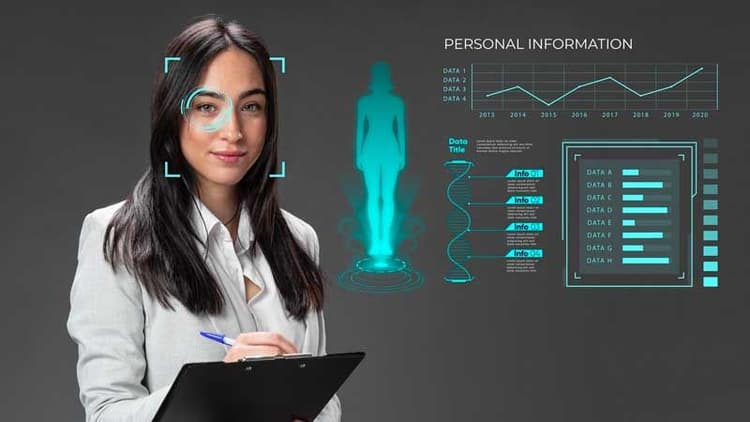
Today’s workplaces are undergoing subtle changes that often go unnoticed. It’s not just flexible work hours or mental health days. It’s technology stepping in to understand employees better than ever before.
Artificial Intelligence is no longer limited to automating tasks or analyzing business data. It is now being used to monitor employee health, track stress levels, and even predict burnout before it happens.
At first glance, this sounds like progress. After all, who wouldn’t want a workplace that actively cares about their well-being?
But it also raises an important question.
Is this innovation truly beneficial, or does it come with hidden concerns?
Let’s explore both sides of this evolving trend.
Also Read - AI Anxiety: How Technology Is Silently Affecting Your Mental Health?
What Does AI Monitoring Employee Health Actually Mean?
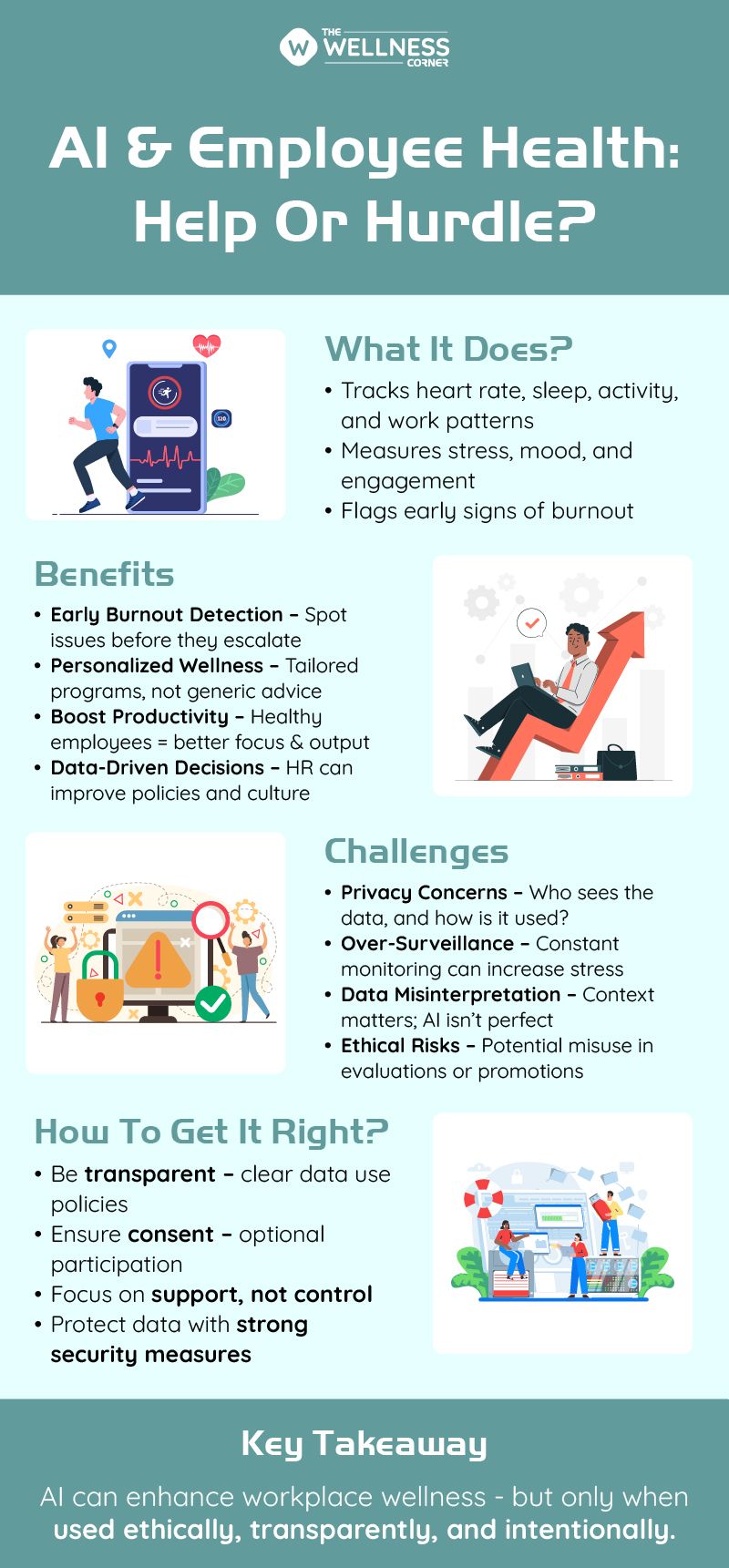
AI-driven health monitoring in the workplace goes beyond basic fitness tracking. It involves smart systems that collect and analyze data from multiple sources such as:
- Wearable devices that track heart rate, sleep, and activity
- Apps that monitor screen time and work patterns
- Tools that assess mood, stress, and engagement levels
- Predictive models that flag signs of burnout or fatigue
These systems aim to give employers insights into employee well-being in real time.
In simple terms, companies are trying to move from reactive care to proactive support.
The Benefits: Why Companies Are Embracing It?
There’s a reason this trend is gaining traction across industries. When used responsibly, AI can significantly improve workplace health.
1. Early Detection Of Burnout
Burnout rarely happens overnight. AI can identify subtle patterns such as increased working hours, reduced breaks, or changes in behavior.
This allows organizations to step in early and offer support before the situation worsens.
Also Read: Can AI Predict Mental Burnout Before It Happens?
2. Personalized Wellness Programs
Not everyone has the same health needs. AI can tailor wellness initiatives based on individual data, making programs more relevant and effective.
Instead of generic advice, employees receive guidance that actually fits their lifestyle.
Also Read: The Wellness Bucket List That Will Change Your Life In 2025
3. Improved Productivity Through Well-being
Well-being in employees boosts their concentration, participation, and output. By supporting physical and mental health, companies can create a more sustainable work environment.
It’s a win-win situation when done right.
4. Data-Driven Decision Making
HR teams can use insights from AI to design better policies, improve work culture, and address systemic issues affecting employee health.
This shifts workplace wellness from guesswork to strategy.

The Concerns: Where Things Get Complicated
While the advantages are compelling, this approach is not without its challenges.
1. Privacy Concerns
Health data is deeply personal. When employees are aware of constant data tracking, it may cause unease or skepticism.
The key question becomes:
Who has permission to see this data, and how exactly is it used?
2. The Risk Of Over-Surveillance
Support can quickly turn into surveillance if boundaries aren’t clear. If employees feel constantly watched, it can increase stress rather than reduce it.
Ironically, a tool meant to improve well-being could end up harming it.
3. Data Misinterpretation
AI can be incredibly powerful, yet it still has its limitations. Human emotions and health are complex, and data does not always tell the full story.
A late-night work session could mean dedication or distress. Context matters.
4. Ethical Concerns
Could this data be used against employees?
For example, in performance reviews or promotions?
Without clear boundaries, there is a risk of misuse.
The Employee Perspective: Mixed Feelings
For employees, the idea of AI monitoring health often brings mixed reactions.
Some see it as a sign that their organization genuinely cares. They appreciate the proactive approach and the resources provided.
Others feel uneasy. The thought of being constantly analyzed can feel invasive, even if the intention is positive.
Ultimately, acceptance depends on one key factor: trust.

Striking The Right Balance
The success of AI-driven health monitoring depends on how it is implemented.
Here are a few principles organizations must follow:
Transparency Is Non-Negotiable
Employees should clearly understand what data is being collected, why it is collected, and how it will be used.
No hidden processes. No vague explanations.
Consent Matters
Participation should always be optional. Employees must feel they have control over their personal information.
Focus On Support, Not Control
The goal should be to help employees, not to evaluate or penalize them.
When the intent is clear, adoption becomes easier.
Strong Data Protection Policies
Organizations must invest in secure systems to ensure sensitive data is protected at all times.
The Bigger Picture: A Cultural Shift
This trend reflects something larger than just technology. It signals a shift in how organizations view employee well-being.
Workplaces are beginning to recognize that health is not separate from performance. It is deeply connected to it.
However, technology alone cannot build a healthy work culture.
Empathy, leadership, and human connection still play a crucial role.
AI can support these efforts, but it cannot replace them.
Also Read: Emotional Intelligence In Leadership - Why Is It Important?
So, Is It A Good Thing?
This question doesn’t have a clear-cut answer.
AI monitoring employee health can be incredibly beneficial when used ethically, transparently, and with genuine intent.
But if implemented poorly, it can lead to distrust, stress, and ethical concerns.
Like all potent tools, its outcome is shaped by its proper use.
Final Thoughts: The Future Of Workplace Well-being
We are entering a future where workplaces are becoming more intelligent and responsive.
The real opportunity lies in using technology to create environments where employees feel supported, not scrutinized.
Because at the end of the day, well-being is not just about data.
It is about people.
FAQs
1. Is AI monitoring employee health legal?
It can be, depending on the legal requirements in your area. Organizations must ensure compliance with data protection and privacy standards.
2. Do employees have to participate in such programs?
Ideally, no. Ethical companies make participation voluntary and based on informed consent.
3. Can AI accurately detect burnout?
AI can identify patterns and warning signs, but it should not replace human judgment or professional evaluation.
4. How can employees protect their privacy?
By understanding company policies, asking questions, and choosing what data they are comfortable sharing.
Take The First Step Towards Smarter Wellness
If you believe workplace well-being should be proactive, personalized, and built on trust, it’s time to explore solutions that truly make a difference.
Discover how you can support your employees with expert-led wellness programs, mental health tools, and data-driven insights designed with care and responsibility.
Because healthier employees build stronger organizations.
Leave a Comment
Sign-Up Now & Unlock
₹100 Cashback
Recently Published
Related Articles


Health Checks @ Home
Service
Explore



Follow us on:


© 2026 Truworth Health Technologies Pvt. Ltd.