Why You Can’t Stop Watching War Clips? (And What It’s Secretly Doing to You)
2 days ago
4 minute read.
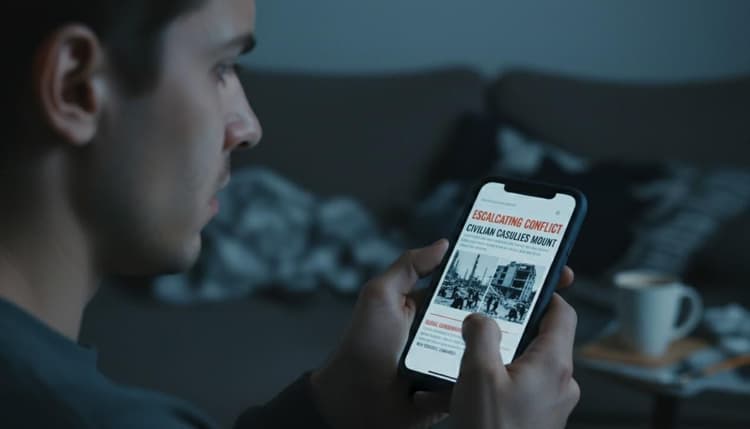
You pick up your phone for a brief pause. A few taps later, you find yourself watching clips of conflict, explosions, breaking news, and real-time footage from war zones. One video turns into another, and before you know it, you’ve spent far more time than you intended.
What’s confusing is that you may not even enjoy watching it. In fact, it can leave you feeling uneasy, anxious, or emotionally drained. Yet, you keep going back.
If this feels familiar, you’re not alone. There’s a psychological reason behind this pattern, and understanding it can help you regain control.
Also Read: How Social Media Is Shaping Youth Health And Wellness?
The Brain Is Wired To Notice Threats
At a biological level, your brain is designed to prioritize survival. It constantly scans for danger and pays more attention to threats than neutral or positive information.
This is known as the negativity bias. It explains why distressing content grabs your attention faster and holds it longer.
War-related clips trigger this response instantly. Your brain interprets them as important, even urgent, which makes it harder to look away.
The Loop Of Curiosity And Fear
When you watch something intense or shocking, your brain doesn’t just react emotionally. It also becomes curious.
You start asking questions:
- What happened next?
- Is this situation getting worse?
- Are people safe?
This mix of concern and curiosity creates a loop. You keep watching, not because it feels good, but because your mind wants closure.
The problem is that social media rarely offers closure. Instead, it feeds you more fragments, keeping you engaged but unsettled.
Also Read: Are You Addicted To Closure? Emotional Habits That Drain You
The Role Of Dopamine In Endless Scrolling
Even though war clips are distressing, they still trigger your brain’s reward system.
Each new video provides a small burst of stimulation. Your brain releases dopamine, the chemical linked to motivation and habit formation.
This doesn’t mean you’re enjoying the content. It means your brain is getting used to the pattern of constant updates and stimulation.
Over time, this creates a habit where your fingers keep scrolling, even when your emotions are telling you to stop.
Emotional Desensitization Happens Slowly
At first, these clips may feel intense or shocking. But repeated exposure can reduce your emotional response over time.
This is called desensitization.
You may notice that what once felt disturbing now feels “normal” or less impactful. While this might seem like your mind adapting, it can also dull your emotional sensitivity and empathy.
This shift often happens quietly, without you realizing it.
Anxiety Builds Beneath The Surface
Even if you think you’re handling the content well, your body may tell a different story.
Constant exposure to distressing visuals can increase stress levels. You might experience:
- Restlessness or unease
- Difficulty focusing
- Trouble sleeping
- A lingering sense of worry
Your brain processes these clips as real threats, even if they are happening far away. Over time, this pattern can gradually lead to persistent anxiety.
Also Read: Signs You Might Have High-Functioning Anxiety
The Illusion Of Staying Informed
Many people justify watching such content by saying they want to stay informed.
And staying informed is important.
But there’s a difference between being informed and being overwhelmed.
Short, verified updates from reliable sources can keep you aware. Continuous exposure to graphic or repetitive clips often adds emotional strain without adding meaningful understanding.
Social Media Algorithms Keep You Hooked
It’s not just your brain at work. The platforms you use are designed to keep you engaged.
When you watch or interact with certain types of content, algorithms quickly pick up on it. They start showing you more of the same.
This creates a feedback loop where your feed becomes filled with similar clips, making it even harder to disconnect.
What This Habit Is Quietly Doing To You?
While it may seem harmless in the moment, frequent exposure to distressing content can have deeper effects:
- It can increase baseline stress levels
- It may reduce emotional resilience over time
- It can influence your mood and affect how clearly you think.
- It may lead to a sense of helplessness or emotional fatigue
You might not notice these changes immediately, but they can build gradually.
Also Read: Simple Day-To-Day Habits To Relieve Stress
How To Regain Control Without Avoiding Reality?
You don’t have to completely disconnect from the world to protect your mental health. The goal is balance.
1. Set Boundaries Around Content Consumption
Decide when and how long you will engage with news or social media. Avoid endless scrolling, especially before bedtime.
2. Choose Reliable Sources Over Random Clips
Focus on credible news platforms instead of fragmented social media content. This helps you stay informed without emotional overload.
3. Pay Attention To Your Emotional State
Notice how you feel before and after watching such content. If you feel drained or anxious, it may be a sign to step back.
4. Replace The Habit With Healthier Alternatives
When you feel the urge to scroll, try switching to something grounding.
- Take a short walk
- Listen to calming music
- Have a quick conversation with someone
These small shifts can help break the cycle.
5. Practice Mindful Consumption
Be intentional about what you watch. Instead of passively scrolling, choose content that adds value or supports your well-being.
You Are Allowed To Protect Your Peace
Caring about the world does not mean you have to absorb all its pain.
It is possible to stay informed and still protect your mental space.
Choosing not to engage with distressing content constantly is not ignorance. It is awareness of your limits.
Also Read - Vibe Higher: Repeat These 5 Mantras To Strengthen Self-Love & Inner Peace
Support Your Mental Well-Being With The Wellness Corner
If you find yourself feeling overwhelmed, anxious, or emotionally drained by what you consume online, you don’t have to navigate it alone.
The Wellness Corner offers access to mental health experts, stress management tools, and personalized support to help you build healthier habits and emotional resilience.
Sometimes, small changes in awareness and guidance can make a meaningful difference.
Frequently Asked Questions (FAQs)
1. Why do I feel drawn to distressing content?
Your brain is wired to focus on potential threats, which makes such content harder to ignore.
2. Can watching war clips affect mental health?
Yes, repeated exposure can increase stress, anxiety, and emotional fatigue over time.
3. How can I reduce this habit?
Set limits on screen time, choose reliable sources, and replace scrolling with healthier activities.
4. Is it wrong to avoid such content?
No, protecting your mental well-being is important. You can stay informed without constant exposure.
5. When should I seek help?
If you feel persistently anxious, overwhelmed, or unable to disconnect, speaking to a mental health professional can help.
Leave a Comment

Sign-Up Now & Unlock
₹100 Cashback
Recently Published
Related Articles


Health Checks @ Home
Service
Explore



Follow us on:


© 2026 Truworth Health Technologies Pvt. Ltd.