Hip Pain While Walking Or Using Stairs? Don’t Ignore These Warning Signs
2 days ago
4 minute read.
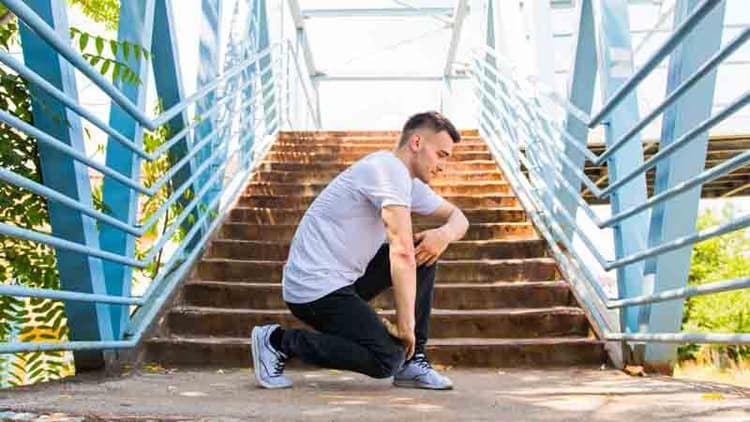
Hip pain is easy to dismiss. You may assume it’s just fatigue, a bad posture day, or something that will go away on its own. However, when that discomfort appears repeatedly, especially while walking or climbing stairs, it may be your body signaling something more profound.
Ignoring these early warning signs can turn a manageable issue into a long-term problem. Understanding what your hip pain means is the first step toward protecting your mobility and overall well-being.
Also Read: How To Improve Flexibility And Mobility Without Stretching?
Why Hip Pain Shouldn’t Be Ignored?
Your hips play a central role in almost every movement you make. Walking, sitting, standing, bending, and climbing stairs all depend on them. When something isn’t right, even simple activities can become uncomfortable.
Occasional soreness after physical activity is normal. However, persistent or recurring pain is not.
Left untreated, hip pain can:
- Limit your daily activities.
- Affect your posture and balance.
- Lead to compensatory pain in your back or knees.
- Reduce your overall quality of life.
Common Causes Of Hip Pain While Walking Or Climbing Stairs
Hip pain doesn’t always come from the same source. Here are a few common reasons behind this kind of hip pain:
1. Muscle Strain Or Overuse
Overexertion, sudden movements, or lack of proper warm-up can strain the muscles around your hip.
Signs include:
- Sharp pain during movement
- Mild swelling or stiffness
- Pain that improves with rest

2. Arthritis
One of the leading causes of hip pain is especially in older adults.
Common symptoms:
- Stiffness in the morning
- Pain that worsens with activity
- Reduced range of motion
Also Read: Exercise To Ease The Pain And Stiffness In Arthritis
3. Bursitis
Bursae are fluid-filled sacs that reduce friction in your joints. When inflamed, they can cause noticeable discomfort.
What to watch for?
- Pain on the outer side of the hip
- Tenderness when touched
- Increased pain when climbing stairs
4. Tendinitis
Irritation and swelling of the tendons caused by repeated strain or excessive use over time.
Symptoms include:
- Dull ache in the hip
- Pain that worsens with movement
- Mild swelling
5. Hip Labral Tear
A tear in the cartilage that supports the hip joint.
Warning signs:
- Clicking or locking sensation
- A persistent, aching discomfort felt deep within the hip or groin area
- Instability while walking
Warning Signs You Should Never Ignore
Not all hip pain is serious, but certain symptoms require attention. If you experience any of the following, it is time to take action:
- Persistent pain lasting more than a few days
- Pain that worsens with movement, especially stairs
- Difficulty bearing weight on one leg
- Limited range of motion
- Swelling or visible inflammation
- Clicking, popping, or locking sensations
- Discomfort that spreads down into the thigh or extends toward the lower back
These signs may indicate an underlying issue that needs proper diagnosis and treatment.

Why Stairs Make Hip Pain Worse?
Climbing stairs puts additional pressure on your hip joints. This movement requires strength, flexibility, and stability.
If there is any weakness, inflammation, or joint damage, stairs can amplify the discomfort.
You may notice:
- Pain while lifting your leg
- Difficulty pushing your body upward
- Increased discomfort compared to walking on flat surfaces
This is often an early indicator that your hip joint needs attention.
Also Read: A 15-Minute Intermediate Yoga Series For Strength And Flexibility
How To Manage Hip Pain Early?
The good news is that early intervention can make a significant difference. Here are some practical steps to help you manage mild to moderate hip pain:
1. Rest And Activity Modification
Avoid movements that trigger pain. Give your body time to recover.
2. Apply Ice Or Heat
- Ice helps reduce inflammation.
- Heat can relax tight muscles.
Use based on what feels more effective for your condition.
3. Gentle Stretching And Strengthening
Incorporate exercises that improve flexibility and strengthen the muscles around your hip.
Focus on:
- Hip flexor stretches
- Glute strengthening
- Low-impact activities like walking or swimming
4. Maintain A Healthy Weight
Excess weight adds pressure on your hip joints, making pain worse over time.
5. Improve Posture
Poor posture can strain your hips unnecessarily. Pay close attention to your posture during everyday movements like sitting, standing, and walking.
When Should You See A Doctor?
While some cases improve with self-care, certain situations require professional evaluation.
Consult a healthcare provider if:
- Pain persists despite rest.
- You experience severe or sudden pain.
- Walking becomes difficult
- There is noticeable swelling or deformity.
- Pain interferes with daily activities.
Identifying the issue early can reduce the risk of complications and speed up your recovery.
Simple Lifestyle Changes That Protect Your Hips
Prevention is always better than a cure. Small changes can go a long way in keeping your hips healthy:
- Warm up before physical activity.
- Wear supportive footwear
- Avoid prolonged sitting
- Incorporate regular exercise
- Practice proper body mechanics.
These habits reduce strain and improve joint health over time.
Final Thoughts
Hip pain while walking or using stairs is not something you should brush aside. It may start as a minor inconvenience, but it can develop into a more serious condition if ignored.
Listen to your body. Pay attention to the signals it is sending you. Taking action early can help you stay active, mobile, and pain-free in the long run.
Frequently Asked Questions (FAQs)
1. Is hip pain while walking normal?
Occasional discomfort can happen, especially after physical activity. However, persistent or recurring pain is not normal and should be evaluated.
2. Why does my hip hurt more when climbing stairs?
Stairs put extra pressure on your hip joints, which can worsen pain caused by inflammation, weakness, or joint issues.
3. Can hip pain go away on its own?
Mild cases due to strain may improve with rest and self-care. However, ongoing pain requires medical attention.
4. What exercises help reduce hip pain?
Gentle stretching, strengthening exercises, and low-impact activities like swimming or walking can help. Always speak with a healthcare professional before beginning any new exercise routine.
5. When is hip pain a concern?
If your hip pain is intense, lasts for an extended period, limits your movement, or is accompanied by swelling or a feeling of instability, you should consult a doctor promptly.
Leave a Comment

Sign-Up Now & Unlock
₹100 Cashback
Recently Published
Related Articles


Health Checks @ Home
Service
Explore



Follow us on:


© 2026 Truworth Health Technologies Pvt. Ltd.