Meditation & Yoga For Preventing Suicidal Thoughts In Children
3 days ago
5 minute read.
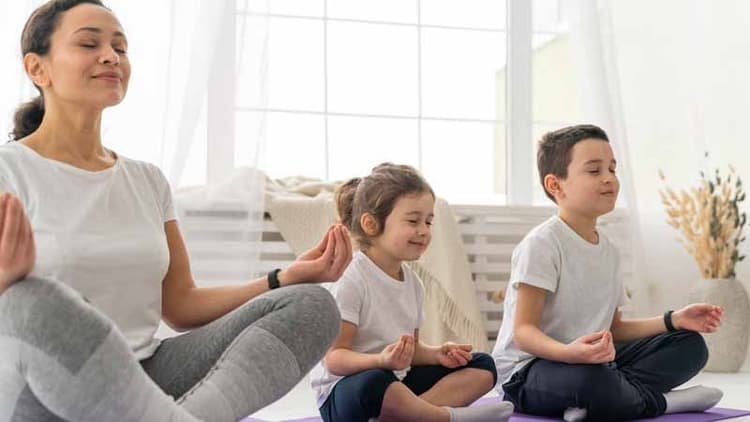
A Gentle Approach To Supporting Young Minds
Children today are growing up in a world that moves fast, demands more, and often leaves little room for emotional processing. Academic pressure, social comparisons, digital exposure, and family expectations can quietly build stress in ways that are not always visible.
While conversations around children’s mental health are improving, one area that needs deeper attention is early emotional support. Thoughts of hopelessness or withdrawal can sometimes begin subtly, long before they are recognized.
This is where simple, consistent practices like meditation and yoga can play a powerful role, not as a replacement for professional care, but as a supportive foundation that helps children build emotional resilience from an early age.
Let’s explore how these practices can make a meaningful difference.
Also Read: Reasons People Attempt Suicide Even If They Seem 'OK'
Understanding Emotional Distress In Children
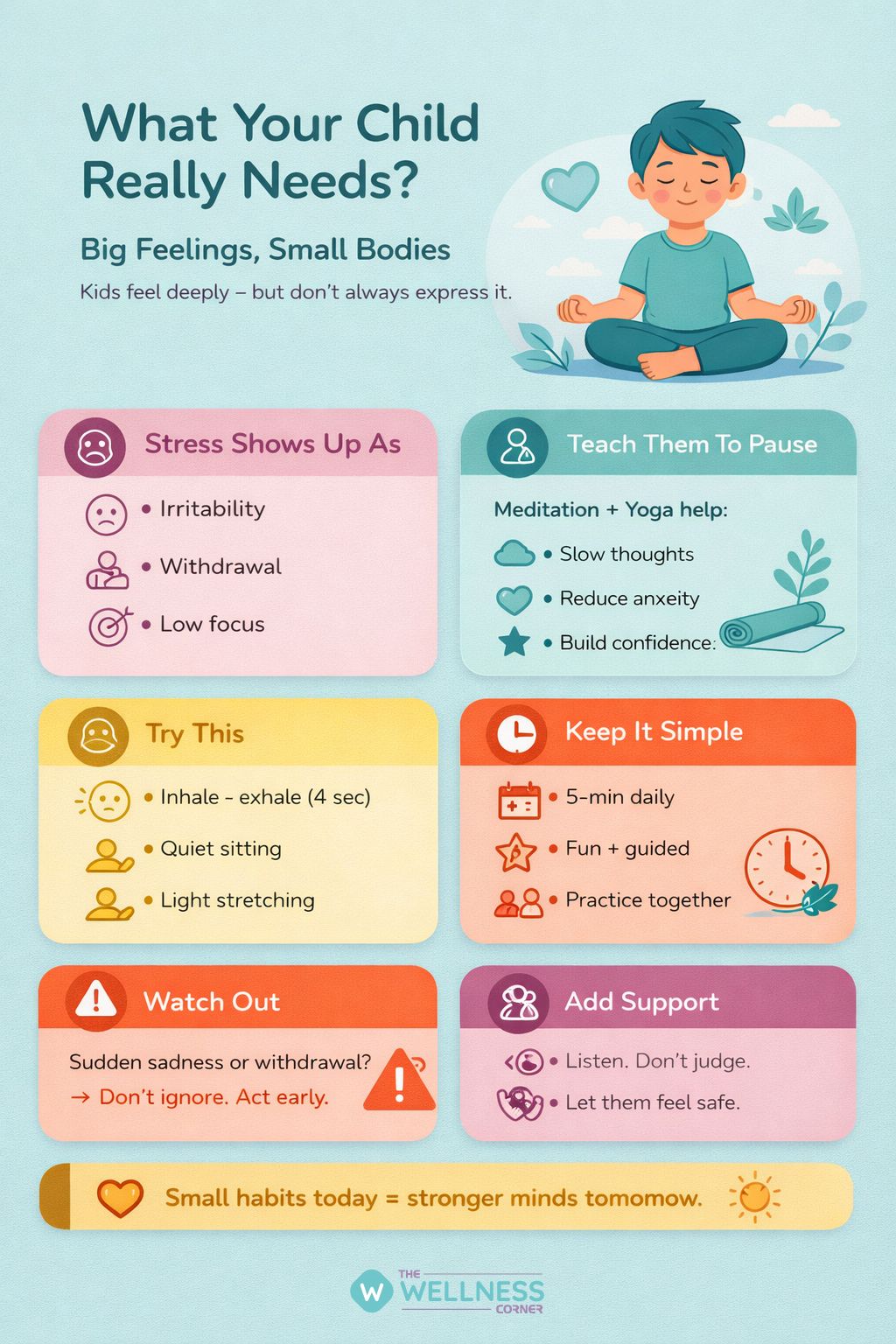
Children do not always express their emotions in clear words. Instead, distress may show up as irritability, withdrawal, changes in sleep, lack of interest in activities, or difficulty concentrating.
In some cases, these feelings can deepen into persistent sadness or negative thinking patterns. When left unaddressed, this emotional strain can impact a child’s sense of self-worth and overall well-being.
It is important to remember that children are not “too young” to feel overwhelmed. They simply process emotions differently.
Early support, awareness, and safe emotional outlets can help prevent deeper struggles.
Also Read: Why Are So Many Children Facing Mental Health Issues?
Why Meditation And Yoga Matter For Children?
Meditation and yoga are not just adult wellness trends. When introduced in a child-friendly way, they can become powerful tools for emotional balance.
These practices help children:
- Improve focus and attention
- Develop awareness of their thoughts and feelings
- Reduce anxiety and restlessness
- Build a sense of calm and control
- Strengthen the mind-body connection
Most importantly, they give children a safe space to pause, breathe, and reconnect with themselves.

How Meditation Supports Emotional Stability?
Meditation teaches children to observe their thoughts without reacting to them immediately.
For a child who feels overwhelmed, this can be incredibly empowering.
Instead of getting caught in negative thinking, they learn to create a small space between their thoughts and their reactions. Over time, this reduces emotional intensity and builds inner stability.
Simple practices like guided breathing or short mindfulness exercises can help children:
- Feel calmer during stressful moments
- Improve emotional regulation
- Sleep better
- Develop self-awareness
Even just a few minutes a day can create noticeable changes.
Also Read: How Sleeping Less Than 6 Hours Can Harm Your Health?
The Role Of Yoga In Building Emotional Strength
Yoga combines movement, breathing, and awareness, making it especially effective for children.
Unlike traditional exercise, yoga encourages children to slow down and tune into their bodies.
Certain poses help release physical tension, while breathing techniques calm the nervous system.
Regular practice can:
- Reduce stress hormones in the body
- Improve mood and energy levels
- Enhance body awareness and confidence
- Promote relaxation
Yoga also gives children a healthy way to express and release emotions that they may not be able to verbalize.

Simple Practices Children Can Start With
You don’t need complex routines to introduce these habits.
Breathing Exercises
Teach children to take slow, deep breaths. A simple method is to inhale for four seconds and exhale for four seconds. This can be done at any time they feel anxious or overwhelmed.
Mindful Moments
Encourage children to sit quietly for a few minutes and focus on their breath, sounds around them, or how their body feels.
Gentle Yoga Poses
Simple poses like child’s pose, tree pose, or cat-cow stretches are easy to learn and enjoyable for children.
Gratitude Practice
Before bedtime, ask children to share one or two things they felt good about during the day. This encourages a greater focus on positive moments and experiences.
Consistency matters more than duration.
Also Read: 6 Tips To Practice Gratitude Daily
Creating A Safe And Supportive Environment
Meditation and yoga work best when combined with a nurturing environment.
Children need to feel safe expressing their emotions without fear of judgment.
Parents, teachers, and caregivers can help nurture this by:
- Listening without interrupting or dismissing feelings
- Avoiding harsh criticism
- Encouraging open conversations
- Validating emotions instead of minimizing them
A child who feels heard is less likely to internalize distress.
Also Read: Does Parental Stress Have An Impact On Children?
When Professional Help Is Important?
While meditation and yoga are helpful, they are not a substitute for professional care when needed.
If a child shows signs such as:
- Persistent sadness or withdrawal
- Talk of self-harm or hopelessness
- Sudden behavioral changes
- Loss of interest in daily activities
It is important to seek support from a qualified mental health professional.
Early intervention can make a significant difference in a child’s recovery and long-term well-being.
Also Read: Let Us Talk About Suicide
Addressing The Stigma Surrounding Children’s Mental Health
One of the biggest barriers to support is the belief that children will “grow out of it.”
Mental health challenges are real, even at a young age. Ignoring them can delay healing.
Normalizing conversations around emotions, therapy, and self-care helps children understand that seeking help is not a weakness.
It is a sign of strength.
Building Lifelong Emotional Resilience
The aim is not to remove stress entirely. That is not realistic.
Instead, the goal is to equip children with tools to handle stress in a healthy way.
Meditation and yoga teach children that emotions come and go. They learn that difficult feelings do not define them.
This awareness builds resilience, confidence, and emotional intelligence that stays with them into adulthood.
A Holistic Approach To Child Wellness
Supporting a child’s mental health requires a balanced approach.
Along with meditation and yoga, focus on:
- Healthy nutrition
- Adequate sleep
- Physical activity
- Limited screen time
- Strong social connections
When these elements come together, they create a strong foundation for overall well-being.
Supporting Your Child Starts With Small Steps
You don’t need to make drastic changes overnight.
Start small.
A few minutes of breathing. A simple yoga stretch. A calm chat to close the day.
These small moments build trust, awareness, and emotional safety over time.
Move Forward In Your Wellness Journey With The Wellness Corner
If you’re looking for expert guidance to support your child’s emotional well-being, The Wellness Corner offers access to certified professionals, mental health resources, and personalized wellness support.
From mindfulness tools to expert consultations, you can find the right support to help your child grow with confidence and resilience.
Frequently Asked Questions (FAQs)
1. Can meditation really help children manage emotions?
Yes, simple mindfulness practices can improve emotional regulation and reduce stress in children.
2. At what age can children start yoga or meditation?
Children as young as 4 to 5 years can begin with simple, guided practices.
3. How long should children practice daily?
Even 5 to 10 minutes a day can be effective when done consistently.
4. Are these practices enough to prevent serious mental health issues?
They help build resilience, but professional support is essential if serious concerns arise.
5. How can parents encourage children to practice regularly?
Make it fun, keep it short, and practice together to build a positive routine.
Leave a Comment

Sign-Up Now & Unlock
₹100 Cashback
Recently Published
Related Articles


Health Checks @ Home
Service
Explore



Follow us on:


© 2026 Truworth Health Technologies Pvt. Ltd.