Your Office Lighting Could Be Affecting Mental Health
1 day ago
5 minute read.
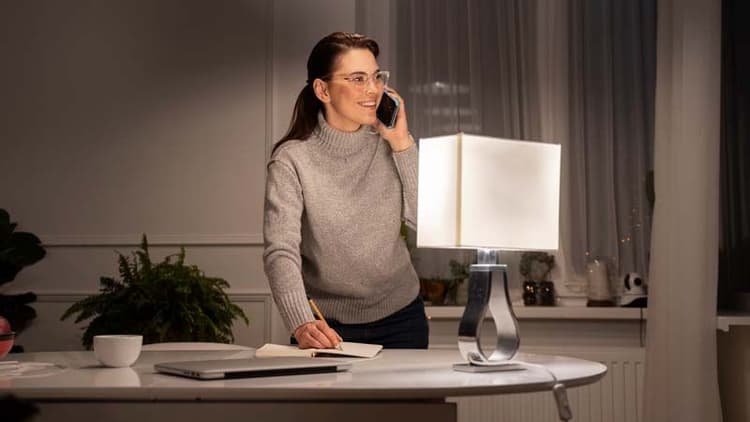
Most of us think about office lighting in terms of comfort or how easy it makes reading a report. But what if the lights above your desk are doing far more than you realized? Recent research indicates that the way we light our workspaces can have a profound impact on mental health, influencing energy, mood, focus, and even long-term emotional well-being. In this blog, we’ll explore how office lighting affects the brain, what signs to look out for, and practical steps you can take today to brighten not just your space, but also your state of mind.
Also Read: Hidden Effects Of Office Lighting On Skin
How Light Influences Your Brain And Mood?
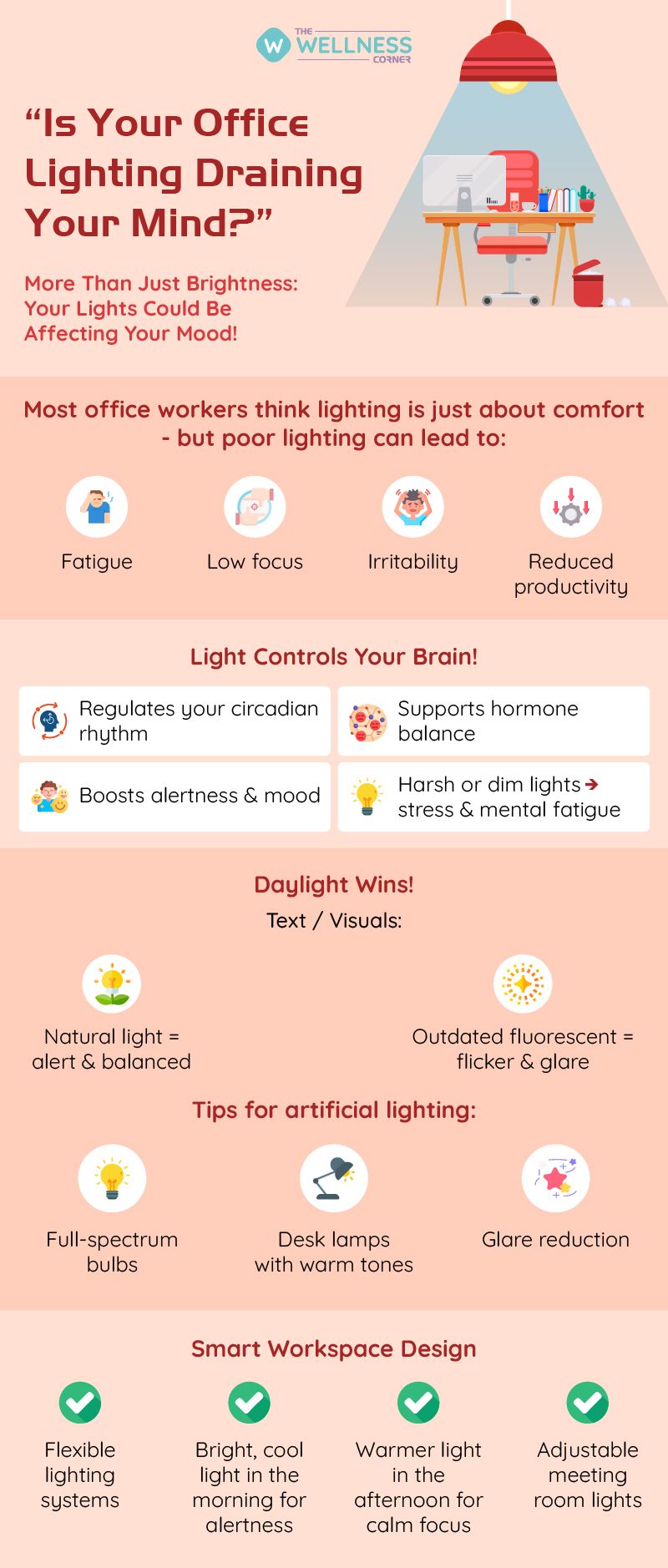
The connection between light and the brain isn’t new. In fact, daylight plays a central role in regulating our body clock, known as the circadian rhythm. This internal clock helps determine sleep quality, alertness, and even hormone levels. When office lighting mimics natural light, it supports that rhythm. But when lighting is harsh, flickering, or too dim, it can throw the rhythm out of balance, leading to stress, fatigue, and emotional imbalance.
Here’s how it works:
- Exposure to natural or full spectrum light sends signals to the brain that it’s daytime - boosting alertness, mood, and productivity.
- Poor lighting quality can trick the brain into “thinking” it’s always low light, which may lead to feelings of lethargy and low motivation.
- Glare and flicker from artificial lighting can increase physical stress and mental fatigue.
Light doesn’t just help us see - it literally influences the chemicals and electrical activity in the brain that control how we feel and perform.
Subtle Signs Your Lighting Might Be Working Against You
If you’ve ever felt unusually drained by mid morning, unfocused in meetings, or sluggish at the end of the day, the lighting at your workplace might be part of the problem. These patterns are common, and many people don’t link them to lighting issues. Watch out for symptoms like:
- Strained eyes or headaches toward the end of the day
- Consistent low energy or difficulty concentrating
- Increased stress or irritability without a clear cause
- Difficulty waking up or resetting after a weekend
Also Read: Boost Energy With These Hour-By-Hour Tips
These aren’t minor annoyances - they’re your body’s way of signaling that something in your environment needs adjustment.
The Hidden Weight Of Poor Lighting On Productivity
It’s easy to shrug off lighting as an aesthetic or comfort issue, but its effects can ripple into performance. Poor lighting can:
- Increase error rates
- Slow cognitive processing
- Lead to miscommunication
- Diminish creativity
A study in Lighting Research & Technology showed that workers exposed to lighting simulating natural daylight experienced better sleep, higher efficiency, and a more positive emotional state. That means the lighting in your office might be more than a background detail - it could be shaping how effectively your team can think, create, and collaborate.

Natural Light vs. Artificial Light: What Matters Most?
Not all light is created equal. Daylight is dynamic, rich in blue wavelengths that keep us alert and balanced. Artificial light, unless carefully chosen, often lacks that spectrum. Many offices still rely on outdated fluorescent lighting that can flicker, cause glare, and fail to support mood and focus.
Also Read: Low On Vitamin D? Reap The Benefits Of Sunlight
If your workplace doesn’t offer abundant natural light, don’t worry - there are ways to improve your lighting environment without tearing down walls.
Simple improvements include:
- Using full spectrum light bulbs that mimic daylight
- Reducing glare with lampshades or adjustable fixtures
- Incorporating desk lamps with warmer tones during late afternoons
- Positioning workstations near windows, where possible
- Allowing breaks outdoors to refresh your natural light exposure
These small adjustments can create a surprisingly large impact on how you feel throughout the day.
Designing Workspaces With Mental Health In Mind
Forward thinking companies are starting to recognize that lighting is part of a healthy workspace design - not just a nicety. Here’s how some companies are approaching it:
- Flexible lighting systems that adjust throughout the day
- Use bright, cool-toned light in the morning to enhance alertness.
- Warmer, softer lighting after lunch for calm focus
- Meeting rooms with adjustable tones to support collaboration
This intentional lighting design does more than make a space look good - it supports emotional regulation, resilience, and sustained focus.

What You Can Do Today?
Whether you’re an employee, manager, or business leader, you don’t need to overhaul your entire workspace overnight. You can take actionable steps today:
Self Check
Ask yourself how you feel at different times of the day. Are you more tired around mid afternoon? Do your eyes feel strained?
Talk With Leadership
Share what you’ve learned about lighting and mental health. Your company may be open to exploring better lighting solutions.
Try Small Adjustments
Bring a natural tone lamp to your desk. Take short daylight breaks. Rearrange your workspace to make the most of available natural light.
Even small changes can ripple into big improvements.
Final Thoughts: Lighting As A Wellness Strategy
Office lighting might seem like a technical detail, but when you understand its connection to mental health, it becomes clear: good lighting is good for the mind. It influences mood, energy levels, performance, and overall well being. By paying attention to the light around us and making intentional choices, we invest in a healthier, more productive work life.
If you’re ready to take your wellness journey further and learn how environmental factors like lighting affect your health, check out The Wellness Corner. Their resources and expert insights can help you make choices that support a happier, healthier life - one mindful adjustment at a time.
Frequently Asked Questions (FAQ)
Q: Can lighting really affect my mood and mental state?
Yes. Light exposure influences your circadian rhythm and the release of brain chemicals like serotonin and melatonin, which regulate mood and energy. Inadequate lighting can interfere with these functions, leading to tiredness and a drop in mood.
Q: What kind of lighting is best for focus?
Lighting that mimics natural daylight - typically cool or full spectrum lighting - tends to support alertness and cognitive performance. Warmer tones are better during times when relaxation or lower intensity focus is needed.
Q: My office has no windows - what should I do?
Start with full spectrum bulbs, desk lamps, and breaks outdoors. You can also discuss options with your employer for lighting upgrades that benefit everyone.
Q: How soon can I expect improvements?
Some people notice changes immediately - especially in energy and eye comfort. For deeper effects on mood and sleep, results usually appear within a few weeks of consistent exposure to better lighting conditions.
Leave a Comment

Sign-Up Now & Unlock
₹100 Cashback
Recently Published
Related Articles


Health Checks @ Home
Service
Explore



Follow us on:


© 2026 Truworth Health Technologies Pvt. Ltd.