The ‘Active Workday’ Trend Companies Are Adopting Fast
1 day ago
4 minute read.
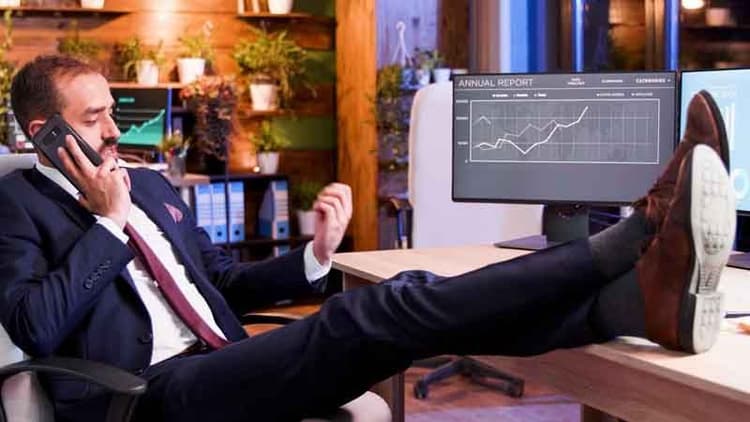
For years, the modern workplace has been defined by long hours at a desk, back-to-back meetings, and minimal physical movement. While this structure helped productivity in many ways, it also quietly introduced a new challenge: the rise of sedentary lifestyles.
Today, companies are beginning to rethink this approach. A growing number of organizations are embracing what is now known as the “active workday.”
This shift is not about turning offices into gyms. It is about integrating movement naturally into the workday to support both productivity and well-being.
And it is picking up pace more rapidly than ever before.
Also Read - Sedentary Lifestyles: A Silent Killer?
What Is An Active Workday?
An active workday is a work culture approach that encourages employees to move more throughout the day, rather than remaining seated for extended periods.
It includes simple yet effective practices such as:
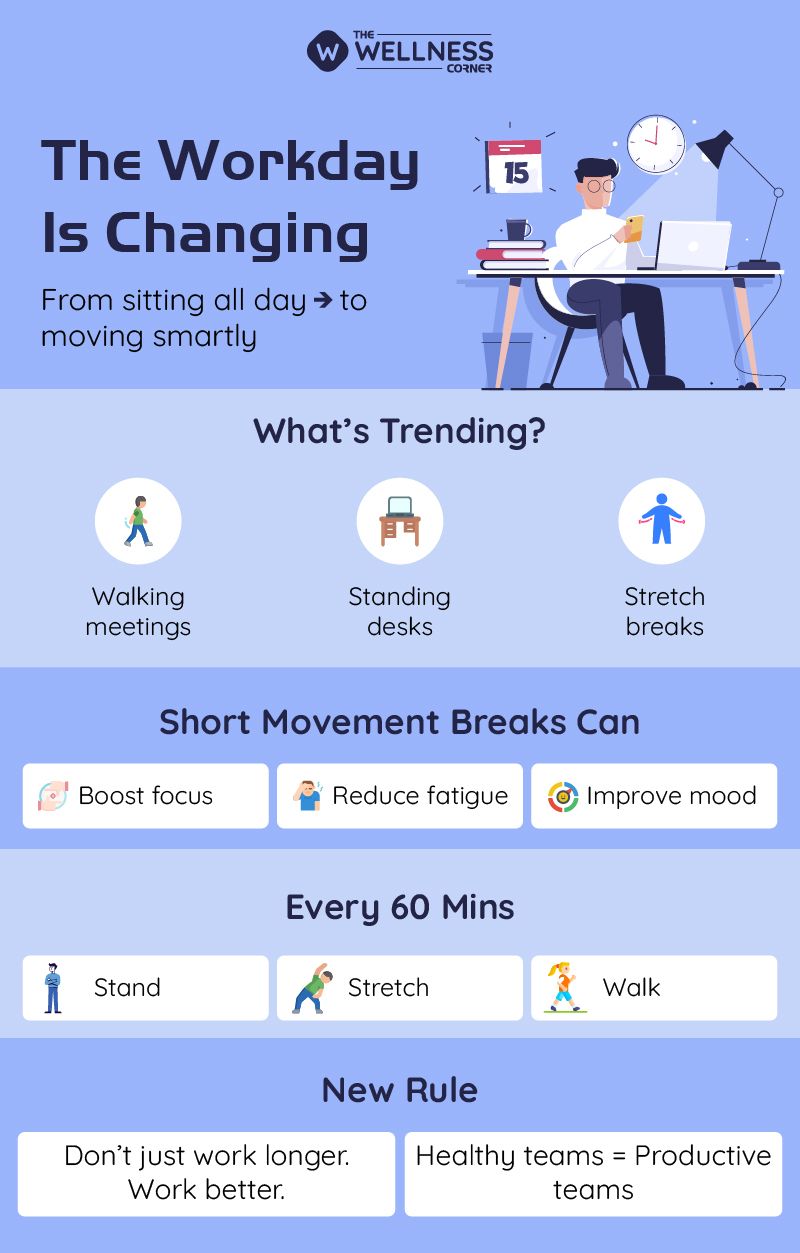
- Standing meetings
- Walking discussions
- Stretch breaks between tasks
- Ergonomic workstations that allow movement
- Encouraging short activity intervals during the day
The idea is not to disrupt work but to enhance it by aligning with how the human body is designed to function.
Why Companies Are Paying Attention Now?
The rise of remote and hybrid work models has brought flexibility, but it has also increased screen time and reduced physical activity.
Many organizations have started noticing patterns such as:
- Increased fatigue among employees
- Reduced focus during long work hours
- Rising complaints of back pain and stiffness
- Lower overall energy levels
These concerns have pushed companies to explore solutions that go beyond traditional wellness initiatives.
The active workday offers a practical and sustainable answer.
Also Read: Snacks To Charge You Up And Fight Fatigue

The Link Between Movement And Productivity
Movement is not just about physical health. It directly influences how we think, feel, and perform.
Short bursts of activity can:
- Improve blood circulation
- Enhance focus and concentration
- Boost mood and energy
- Reduce mental fatigue
When employees feel physically better, they are more likely to stay engaged and productive.
This is one of the key reasons organizations are investing in movement-friendly work environments.
Small Changes That Make A Big Impact
One of the most appealing aspects of the active workday is its simplicity.
Companies are not making drastic changes. Instead, they are introducing small, manageable shifts that fit naturally into existing routines.
Walking Meetings
Instead of sitting in a conference room, teams have discussions on the move. This not only adds physical activity but also encourages more open and creative conversations.
Also Read: How Walking Might Help Increase Brain Power?

Standing Workstations
Adjustable desks allow employees to alternate between sitting and standing, reducing strain on the body.
Scheduled Movement Breaks
Short breaks for stretching or light movement help reset both the body and mind.
Activity Challenges
Some organizations introduce friendly challenges, such as step counts or movement goals, to encourage participation.
The Cultural Shift Behind The Trend
The active workday is not just about physical movement. It reflects a broader cultural change in how companies view employee well-being.
Earlier, wellness programs were often seen as optional add-ons.
Today, they are becoming an integral part of workplace strategy.
Organizations are realizing that supporting employee health is directly linked to:
- Higher engagement
- Better performance
- Lower absenteeism
- Improved job satisfaction
This shift is redefining what a healthy workplace looks like.

Challenges Companies May Face
While the concept is simple, implementing it effectively requires thoughtful planning.
Some common challenges include:
- Resistance to change from employees привыкнут to traditional routines
- Concerns about reduced productivity
- Lack of awareness about how to integrate movement without disruption
The key is to introduce changes gradually and create a culture where movement is encouraged, not enforced.
How Employees Can Embrace An Active Workday?
Even if your organization has not formally adopted this trend, you can still incorporate elements into your routine.
Here are a few easy ways:
- Take short breaks to stand or stretch
- Walk while taking phone calls
- Use stairs instead of elevators when possible
- Set reminders to move every hour
- Create a workspace that supports better posture
Over time, these small habits can create a meaningful impact.
Also Read: Anatomy Of Your Posture At Work
The Lasting Advantages Of Keeping Active During Work Hours
An active workday does more than improve immediate comfort.
Over time, it can help:
- Reduce the risk of lifestyle-related health issues
- Improve posture and reduce physical strain
- Enhance mental clarity and focus
- Support overall well-being
It is a simple shift with long-lasting impact.
The Future Of Work Is More Human-Centered
As workplaces continue to evolve, one thing is becoming clear. Productivity is not just about hours worked. It is about how people feel while working.
The active workday is a step toward creating environments that support both performance and well-being.
It acknowledges a simple truth. The human body isn’t built to remain seated for long stretches.
Build A Healthier Work Routine With The Wellness Corner
Adopting an active workday is easier when you have the right support and guidance.
The Wellness Corner helps individuals and organizations build healthier habits through expert-led wellness programs, personalized advice, and practical tools.
From improving physical activity to enhancing overall well-being, small changes can lead to meaningful results.
Frequently Asked Questions (FAQs)
1. What is an active workday?
It is a work approach that encourages regular movement throughout the day instead of prolonged sitting.
2. Does movement affect productivity?
Yes, regular movement can improve focus, energy, and overall performance.
3. Can I follow an active workday while working from home?
Absolutely. Simple habits like stretching, walking, and standing breaks can be easily incorporated.
4. Do companies need major changes to implement this?
No, small adjustments like walking meetings and movement breaks can make a big difference.
5. How often should I move during the workday?
Taking a short break every 30 to 60 minutes is generally recommended.
Leave a Comment

Sign-Up Now & Unlock
₹100 Cashback
Recently Published
Related Articles


Health Checks @ Home
Service
Explore



Follow us on:


© 2026 Truworth Health Technologies Pvt. Ltd.