This Mistake Can Cost 40% Of Your Muscle Growth In The Gym
1 day ago
4 minute read.
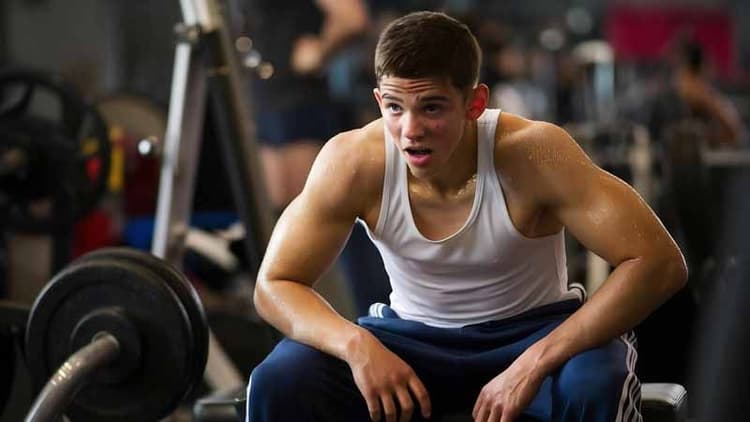
You show up at the gym. You lift consistently. You push through tough workouts and stay committed to your routine.
Yet, the progress does not match the effort.
Muscle growth feels slower than expected. Strength gains plateau. Recovery takes longer. It can be frustrating, especially when you are doing “everything right.”
What if the issue is not your workout, but a single overlooked mistake that is quietly limiting your results?
For many people, that mistake is not giving enough importance to recovery and nutrition, particularly protein intake and rest.
Let’s break down how this one gap can significantly impact your muscle growth and what you can do to fix it.
Also Read - Muscle Gain Meal Guide: High Protein On A Budget
Muscle Development Doesn’t Actually Occur While You’re Working Out At The Gym
This might sound surprising, but your muscles do not grow while you are lifting weights.
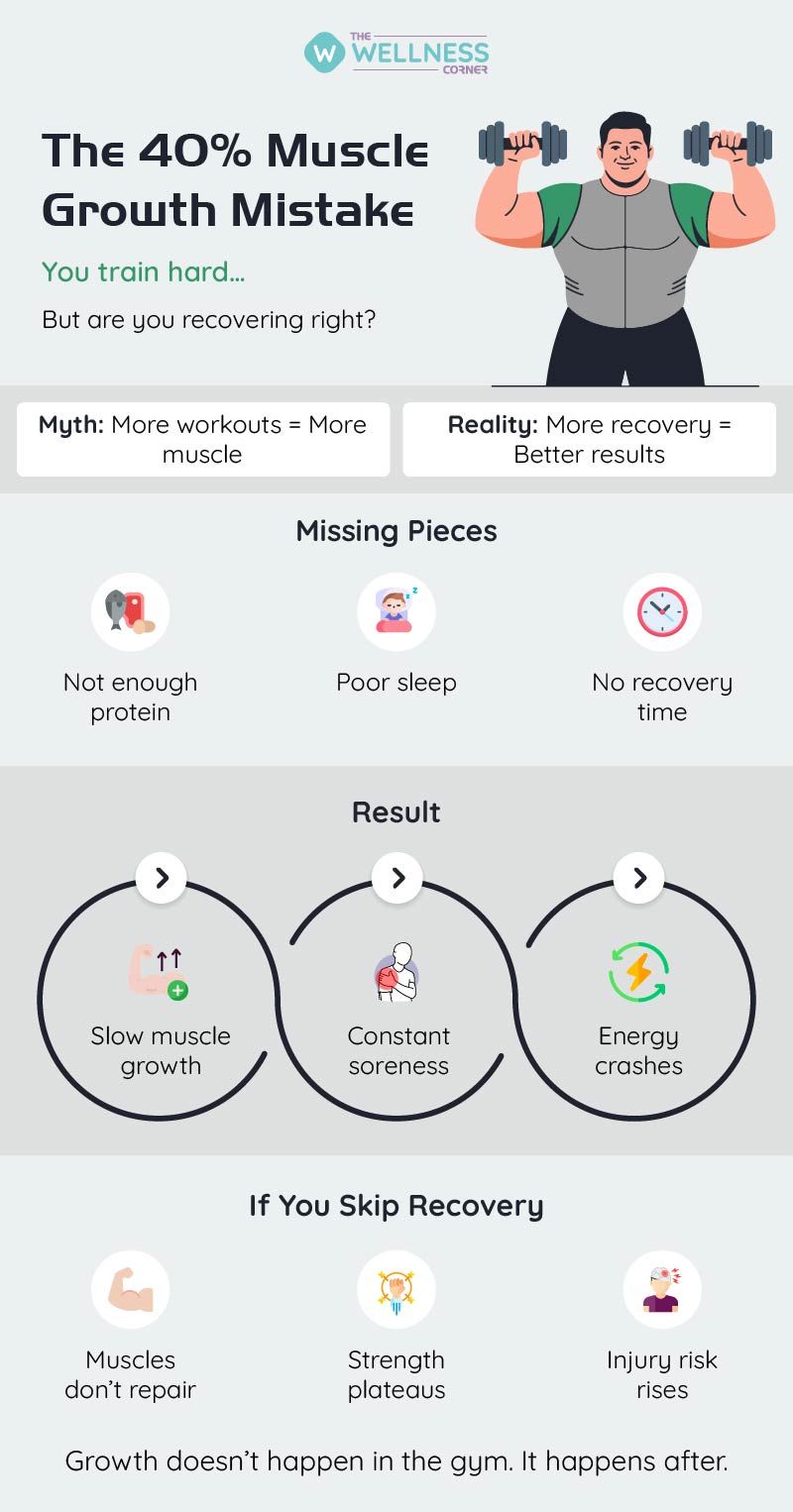
Strength training creates small tears in your muscle fibers. Growth actually happens when your body repairs these fibers during recovery.
If your body does not get the right conditions to recover, those muscles do not rebuild effectively.
This is where many people go wrong.

The Hidden Mistake: Ignoring Recovery And Nutrition
You can have the best workout plan in the world, but without proper recovery and nutrition, your results will always be limited.
Two key factors often get overlooked:
- Inadequate protein intake
- Poor recovery and lack of rest
Together, these can significantly reduce your muscle-building potential.
Also Read: Indian Foods That Offer Better Fat Balance Than Avocados And More Protein Than Quinoa
Why Protein Matters More Than You Think?
Protein supplies the essential components your body uses to repair and build muscle.
If your intake is too low, your body lacks the necessary resources to rebuild stronger muscles.
This can lead to:
- Slower muscle growth
- Increased muscle soreness
- Reduced strength gains
Many people underestimate how much protein they actually need, especially if they are training regularly.

Recovery Is Where The Real Progress Happens
Rest is not a break from progress. It is a part of progress.
When you skip rest days or do not get enough sleep, your body does not get the chance to repair properly.
Over time, this can result in:
- Fatigue and burnout
- Higher risk of injury
- Stalled progress
Quality sleep plays a crucial role here. While you’re in deep sleep, your body produces growth hormones that aid in muscle recovery.
Also Read - The Injury Prevention Checklist: 10 Moves Every Lifter Needs To Stop Pain Before It Starts
Overtraining Can Backfire
More is not always better.
Training too frequently without allowing your body to recover can lead to overtraining. Instead of building muscle, you may start losing strength and energy.
Signs of overtraining include:
- Persistent soreness
- Decreased performance
- Lack of motivation
- Poor sleep quality
Balancing intensity with recovery is essential.

Are You Eating Enough Overall?
Even if you are consuming protein, your total calorie intake matters.
If your body is not getting enough energy, it may prioritize basic functions over muscle growth.
This can make it harder to build muscle, no matter how hard you train.
A balanced diet that includes carbohydrates, healthy fats, and micronutrients supports overall performance and recovery.
Also Read: Why Your Energy Levels Are Low And What To Eat About It?
Timing Also Plays A Role
While total intake is most important, when you eat can also make a difference.
Consuming protein after your workout helps support muscle repair. Spacing protein intake throughout the day can further improve results.
Small adjustments like these can enhance your progress over time.
Hydration Is Often Overlooked
Water plays a key role in muscle function and recovery.
Dehydration can affect performance, reduce strength, and slow down recovery.
Staying well-hydrated supports better workouts and faster recovery.
How To Fix This And Maximize Your Results?
The good news is that this mistake is easy to correct once you are aware of it.
Here are some practical steps:
- Ensure adequate protein intake based on your activity level
- Prioritize sleep and aim for consistent rest
- Include rest days in your workout routine
- Eat a balanced diet with sufficient calories
- Stay hydrated throughout the day
These changes may seem simple, but they can have a powerful impact.
Consistency Beats Intensity
Many people focus on pushing harder in the gym, but long-term progress comes from consistency in both training and recovery.
Building muscle is not about quick results. It is about sustainable habits that support growth over time.
The Bigger Picture: Focus On Training Wisely, Not Just Intensely
Muscle growth is a combination of effort, recovery, and nutrition.
If even one of these is missing, your results can suffer.
Instead of focusing only on your workouts, take a step back and look at your overall routine.
Are you giving your body everything it needs to grow?
Achieve Better Results With The Wellness Corner
If you are unsure how to balance your workouts, nutrition, and recovery, expert guidance can make all the difference.
The Wellness Corner offers personalized fitness and nutrition support to help you optimize your routine and achieve better results.
From understanding your body’s needs to building sustainable habits, the right approach can help you move forward with confidence.
Frequently Asked Questions (FAQs)
1. Why am I not seeing muscle growth even though I work out regularly?
You may not be getting enough protein, rest, or overall nutrition to support muscle growth.
2. How much protein do I need?
It depends on your body weight and activity level, but active individuals generally require higher intake.
3. Is rest really that important?
Yes, muscle repair and growth happen during rest, not during workouts.
4. Can overtraining affect muscle growth?
Yes, it can lead to fatigue, reduced performance, and slower progress.
5. Should I eat after workouts?
Yes, consuming protein after workouts helps support muscle recovery and growth.
Leave a Comment

Sign-Up Now & Unlock
₹100 Cashback
Recently Published
Related Articles


Health Checks @ Home
Service
Explore



Follow us on:


© 2026 Truworth Health Technologies Pvt. Ltd.